OpenAI quietly revealed how ChatGPT Ads actually work and it’s much more sophisticated than most people realize.
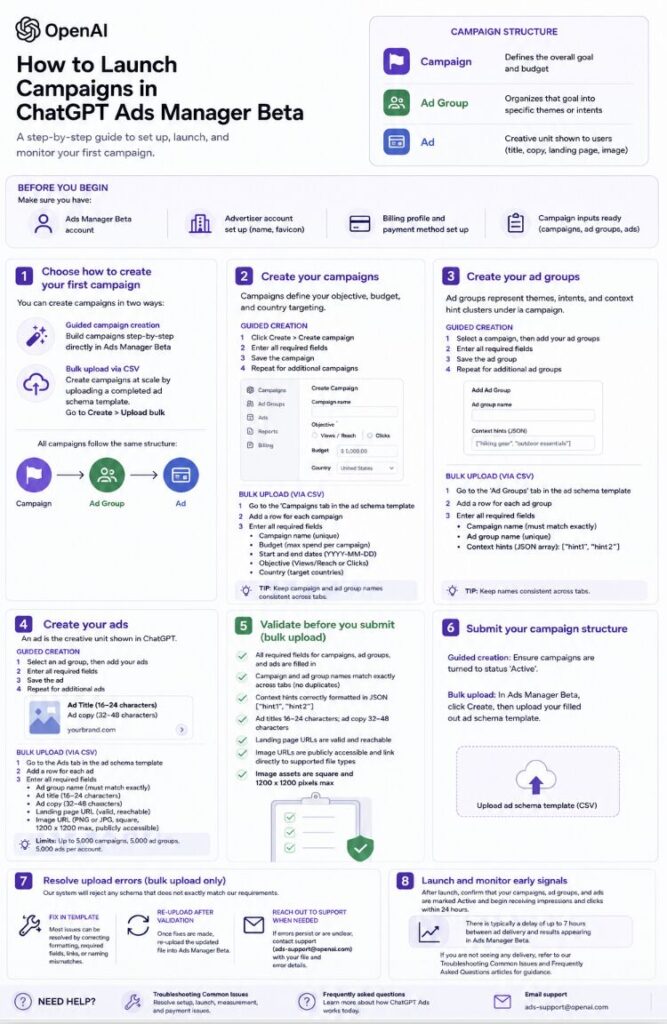
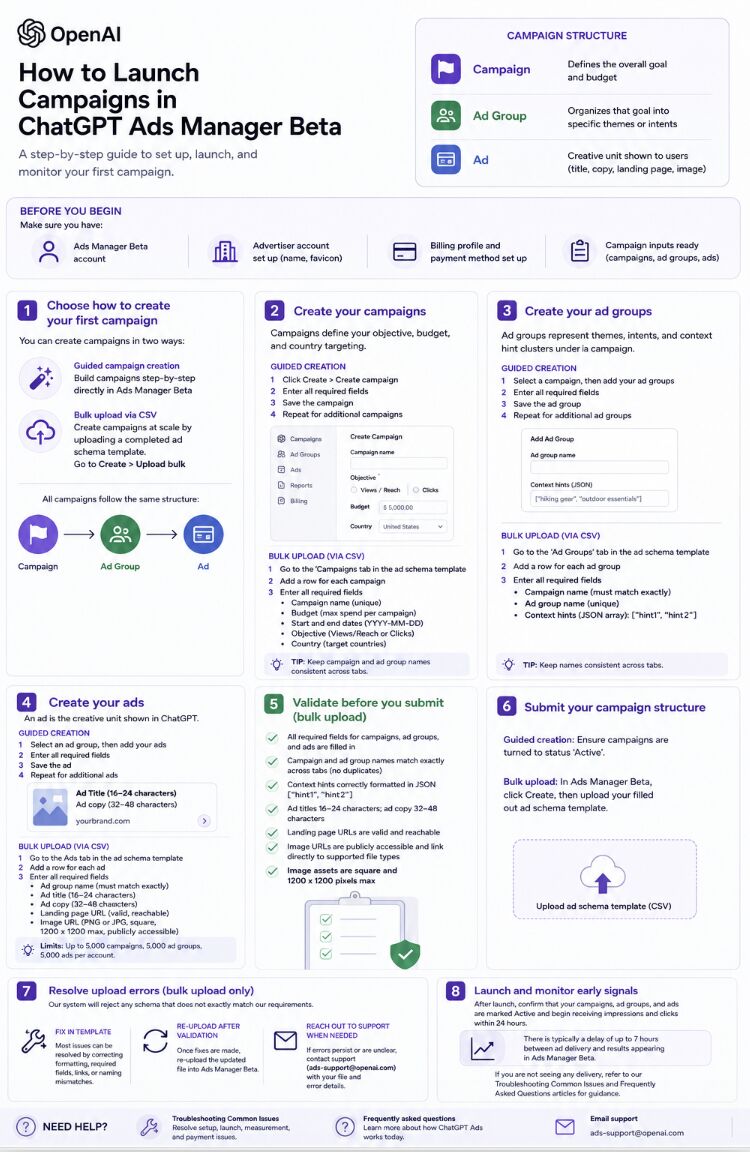
After reviewing the Ads Manager Beta documentation, here’s the core structure behind launching campaigns inside ChatGPT:
━━━━━━━━━━━━━━━
HOW CHATGPT ADS WORK
━━━━━━━━━━━━━━━
CAMPAIGN
Defines:
• Objective
• Budget
• Countries
• Dates
↓
AD GROUP
Defines:
• Themes
• Intent clusters
• Context hints
↓
AD
The creative shown below conversations:
• Headline
• Description
• Image
• Landing page
━━━━━━━━━━━━━━━
CREATIVE REQUIREMENTS
━━━━━━━━━━━━━━━
Headline:
16–24 characters
Description:
32–48 characters
Images:
• Square format
• PNG or JPG
• Max 1200×1200
Landing pages must be:
✓ Public
✓ Reachable
✓ Mobile-friendly
━━━━━━━━━━━━━━━
WHAT’S MOST INTERESTING
━━━━━━━━━━━━━━━
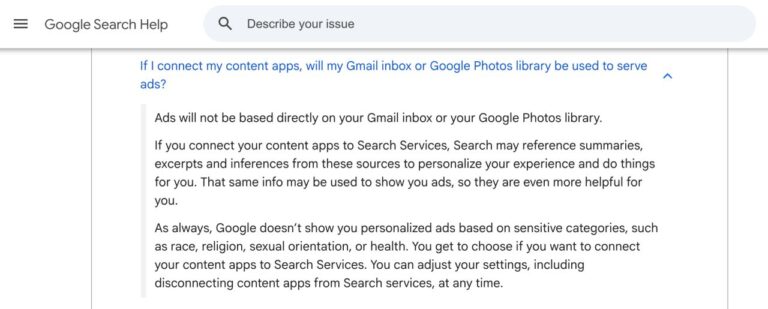
OpenAI says ads are matched using:
• conversational context
• inferred intent
• relevance signals
• advertiser “context hints”
Not traditional keyword targeting.
That means advertisers are no longer optimizing only for searches.
They’re optimizing for:
→ reasoning
→ exploration
→ comparison
→ decision-making
This is a very different model from Google Search Ads or Meta feeds.
ChatGPT Ads seem designed for moments when users are:
• researching solutions
• evaluating tools
• comparing options
• planning purchases
• getting recommendations
In other words:
Conversational discovery.
━━━━━━━━━━━━━━━
WHY THIS MATTERS
━━━━━━━━━━━━━━━
Traditional ads interrupt content.
Conversational ads appear during active thinking.
The interface where people increasingly:
• learn
• plan
• compare
• decide
…now has a native advertising layer attached to it.
We may are watching the early foundations of an entirely new advertising category.