Conversions

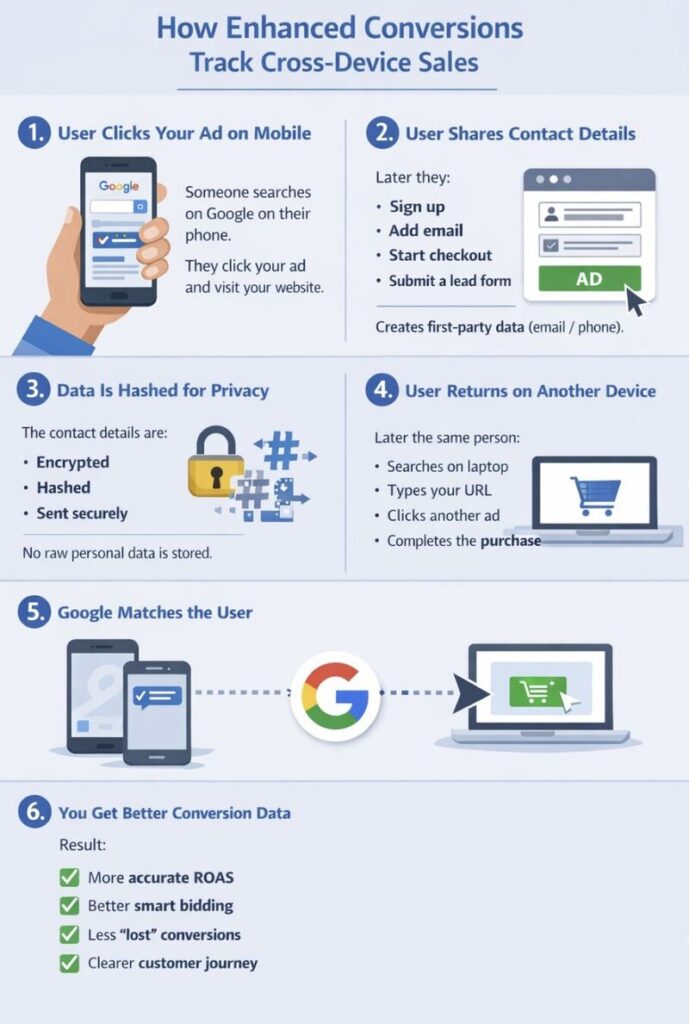
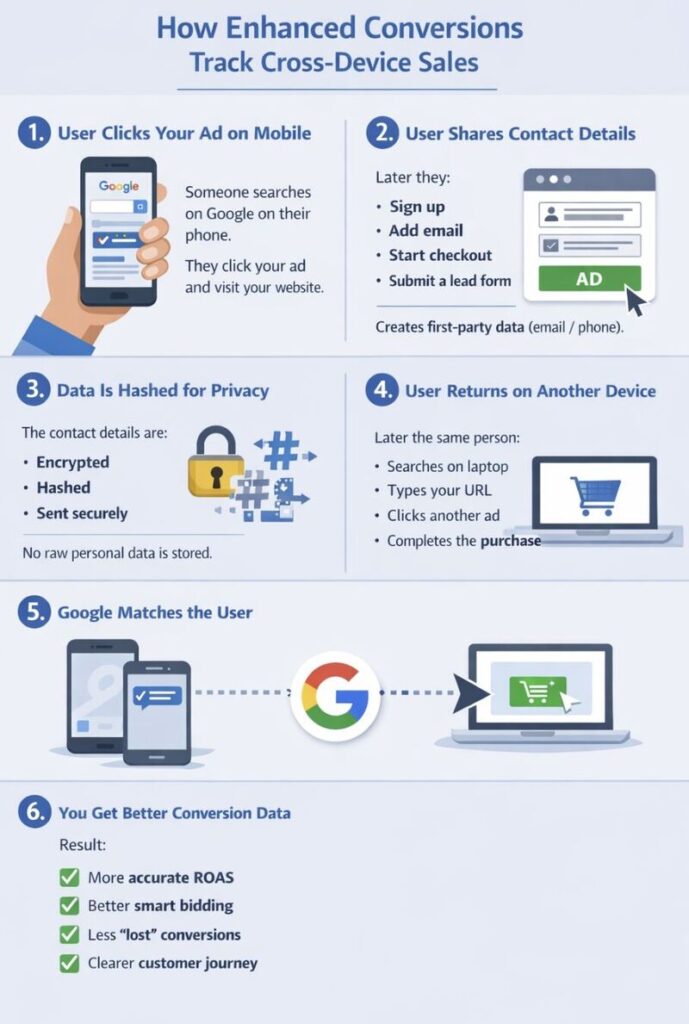
How Enhanced Conversions Track Cross-Device Sales

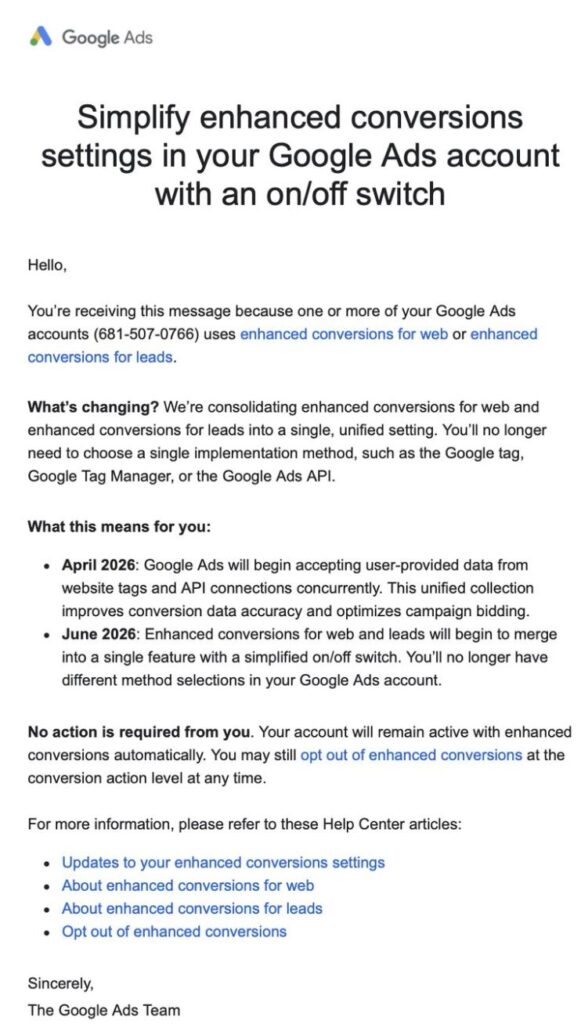
1. User Clicks Your Ad on Mobile Someone searches on Google using their phone.They click your ad and visit your website. 2. User Shares Contact Details Later they may:Sign upEnter their emailStart checkoutSubmit a lead formThis creates first-party data (like email or phone number). 3. Data Is Hashed for Privacy The contact details are:EncryptedHashedSent securelyNo

How Enhanced Conversions Track Cross-Device Sales Read More »

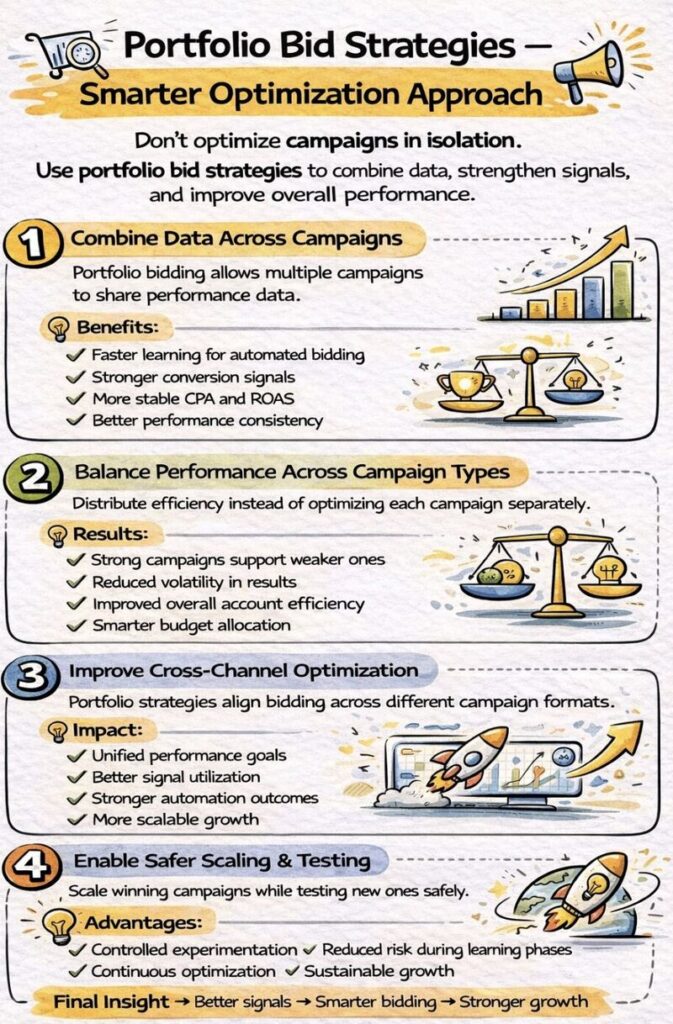
Smarter Optimization Approach

Stop Optimizing Campaigns in Isolation Start Thinking in Portfolios Many advertisers still manage campaigns individually… But smart growth comes from using Portfolio Bid Strategies. When campaigns share data, automation becomes stronger, learning becomes faster, and performance becomes more stable. Here’s why portfolio bidding matters: ✅ Combines data across campaigns → Stronger signals & faster optimization✅

Smarter Optimization Approach Read More »

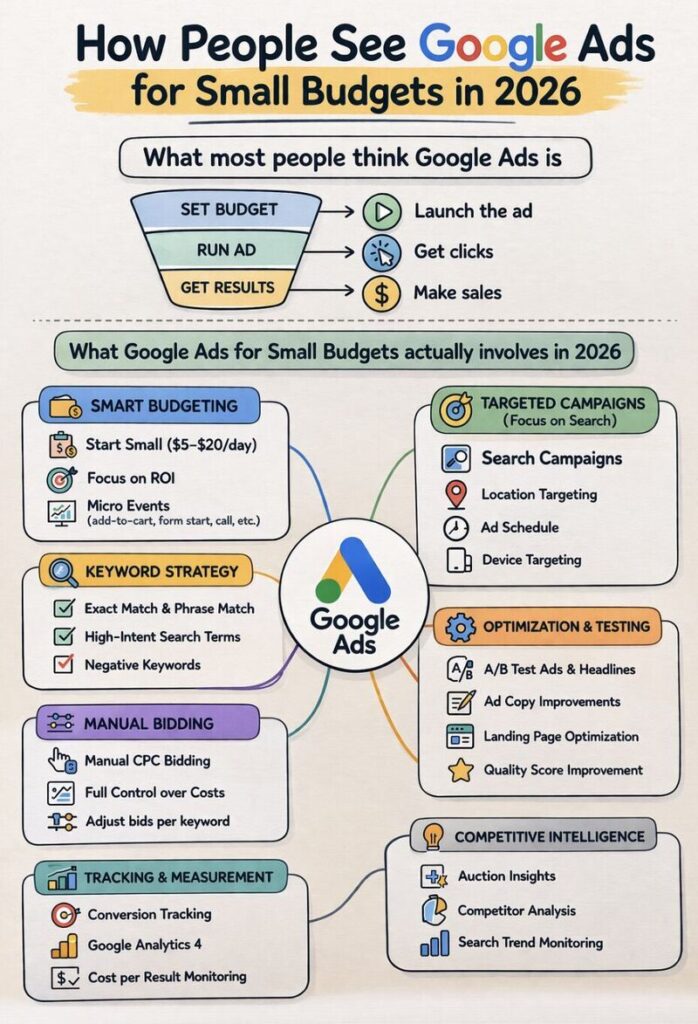
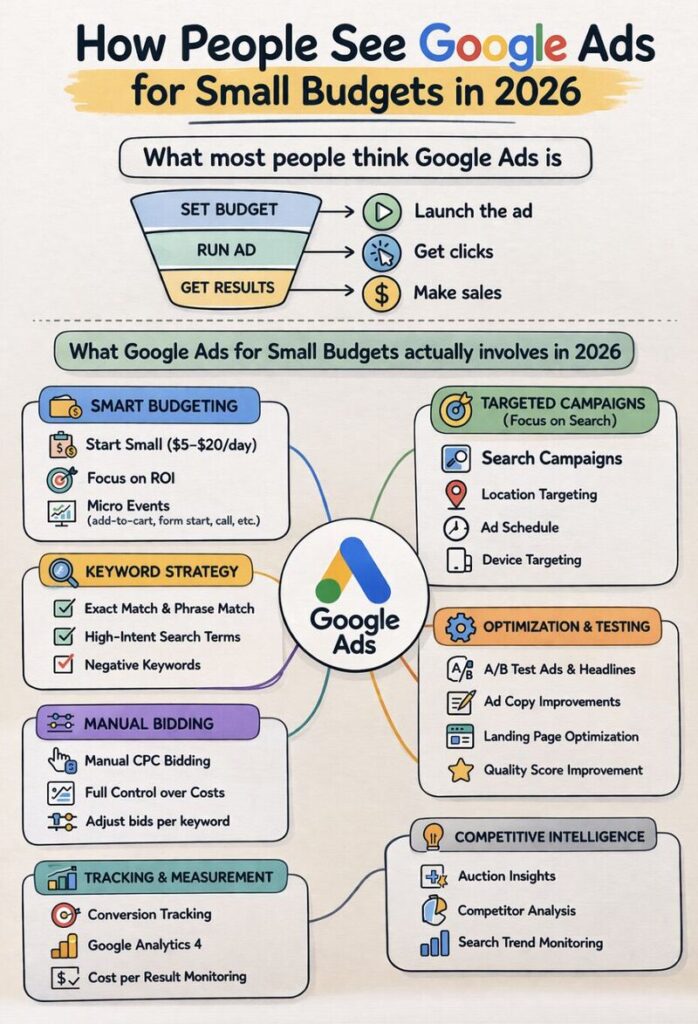
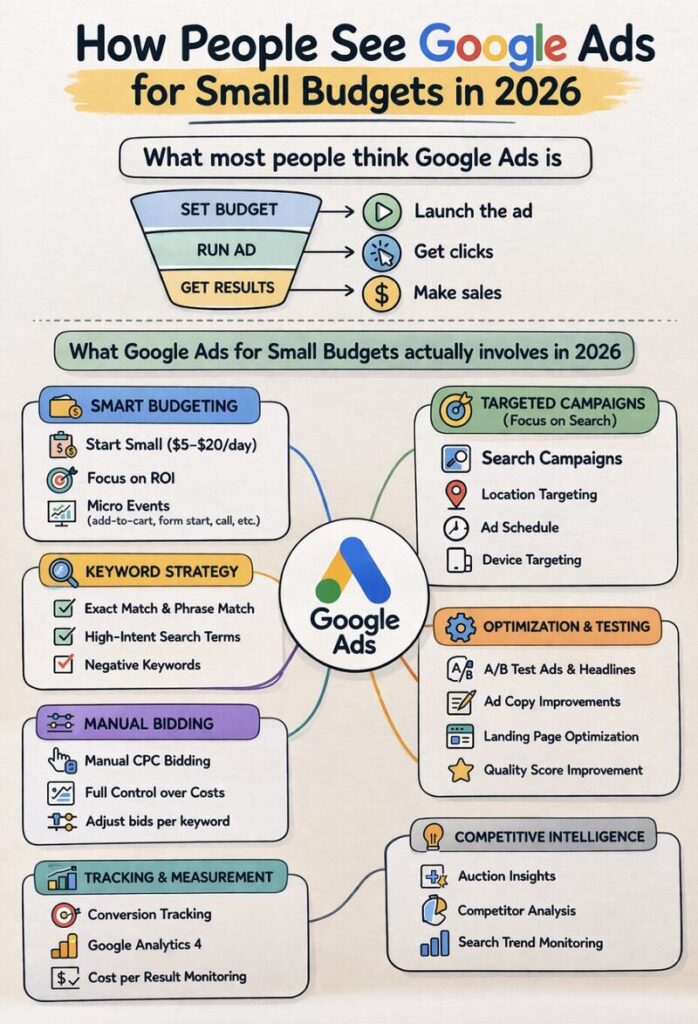
How People See Google Ads for Small Budgets in 2026

What most people think Google Ads is – Create ad– Get clicks– Make sales What Google Ads for Small Budgets actually involves in 2026 💰 Smart Budgeting – Start small ($5–$20/day)– Focus on ROI (not just traffic)– Track micro conversions (form start, call click, add-to-cart)– Set daily budget limits 🔎 Targeted Campaigns (Focus on Search)

How People See Google Ads for Small Budgets in 2026 Read More »

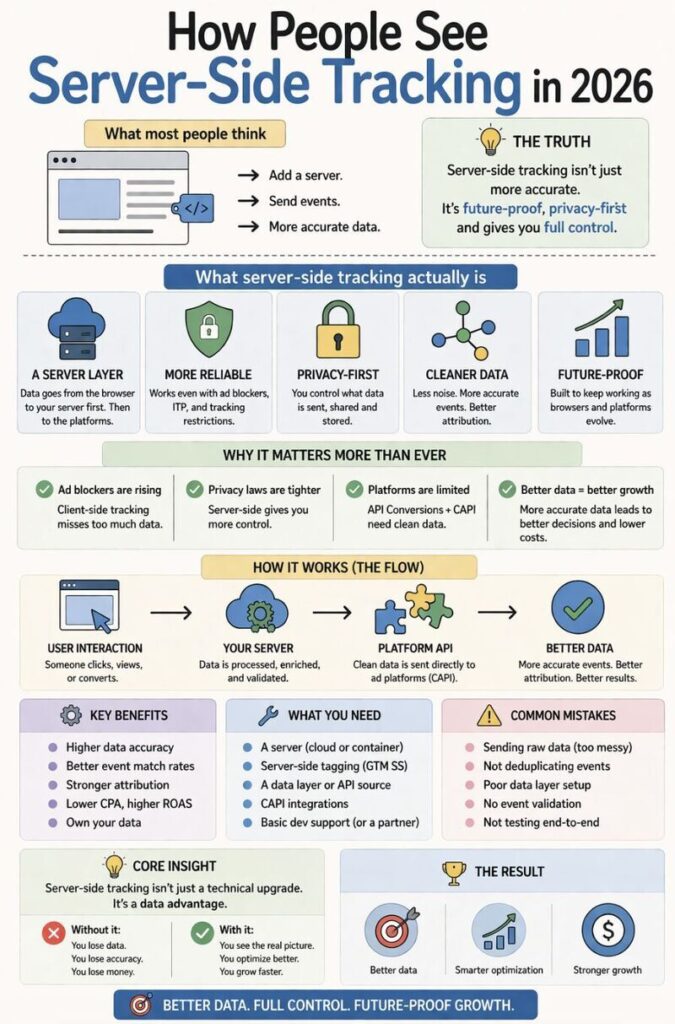
How People See Conversion Tracking in 2026

Most people think conversion tracking is simple. Install a pixel → see conversions → done. Reality in 2026? It’s a full system. Conversion tracking today involves: • Defining what actually counts as a conversion• Mapping the full customer journey• Setting up server-side tracking (CAPI)• Fixing data quality issues• Understanding attribution (not just last click)• Connecting

How People See Conversion Tracking in 2026 Read More »

Meta ROAS is often inflated

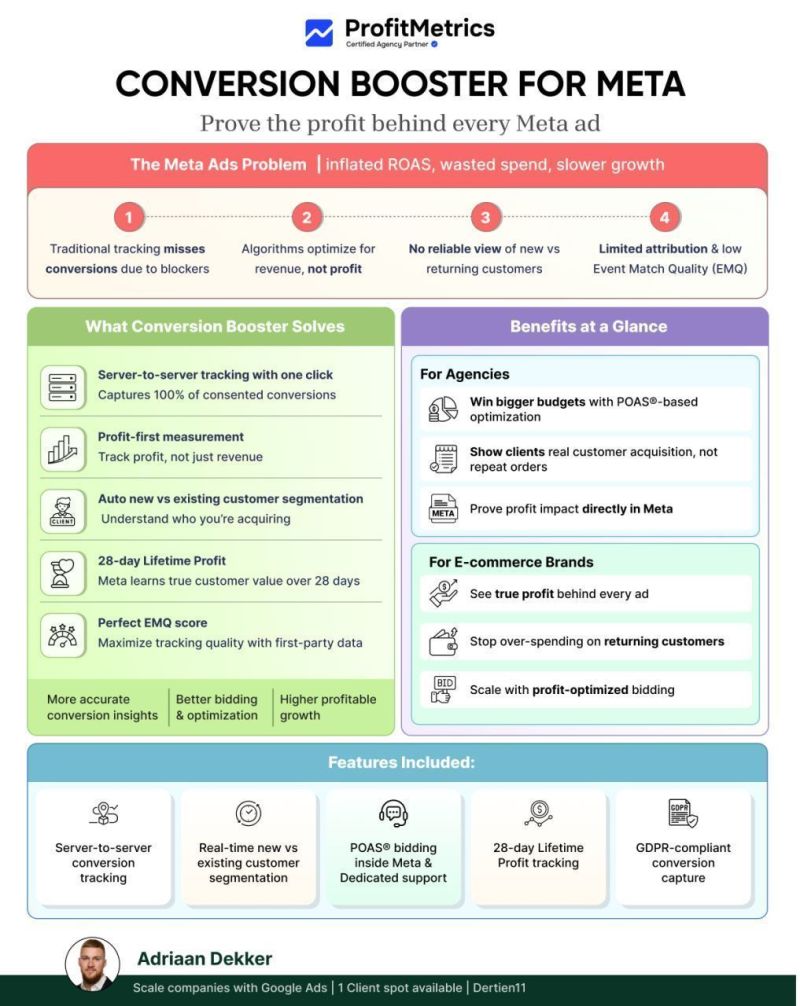
Here’s why most Meta accounts aren’t actually optimizing for profit ↓ “Performance” in Meta usually means revenue. But revenue ≠ profit. That disconnect is where growth stalls. This is the real Meta Ads problem, in sequence: Tracking misses conversions Browser restrictions and blockers create blind spots. Your algorithm optimizes on incomplete data. Algorithms optimize for

Meta ROAS is often inflated Read More »

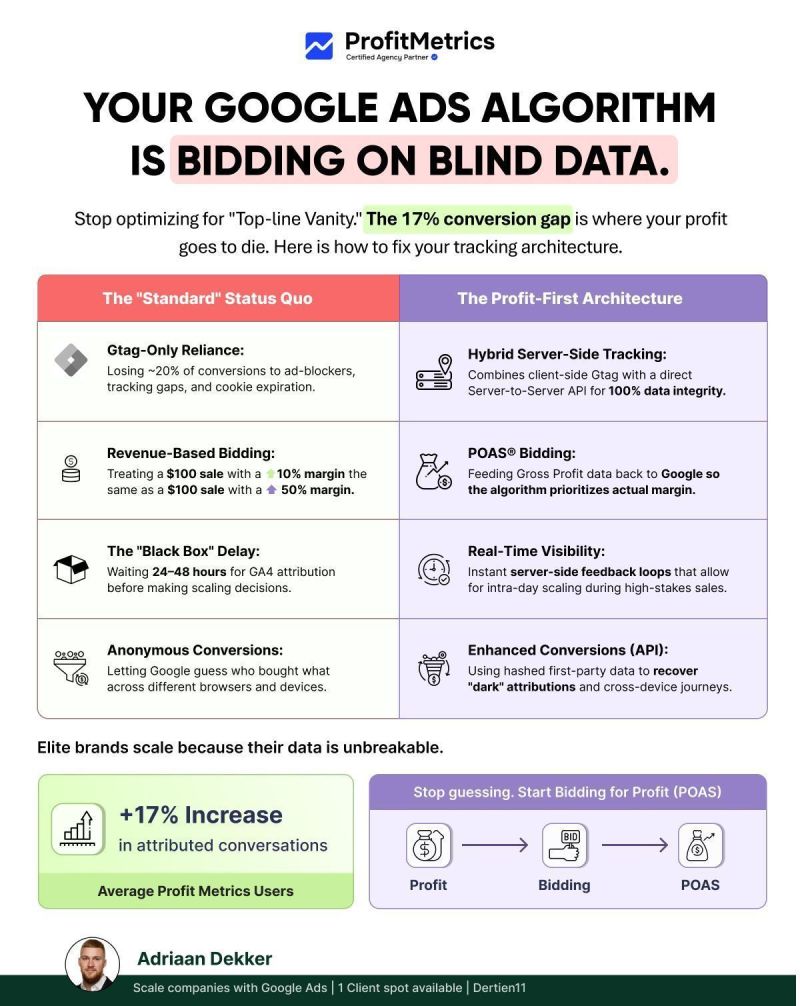
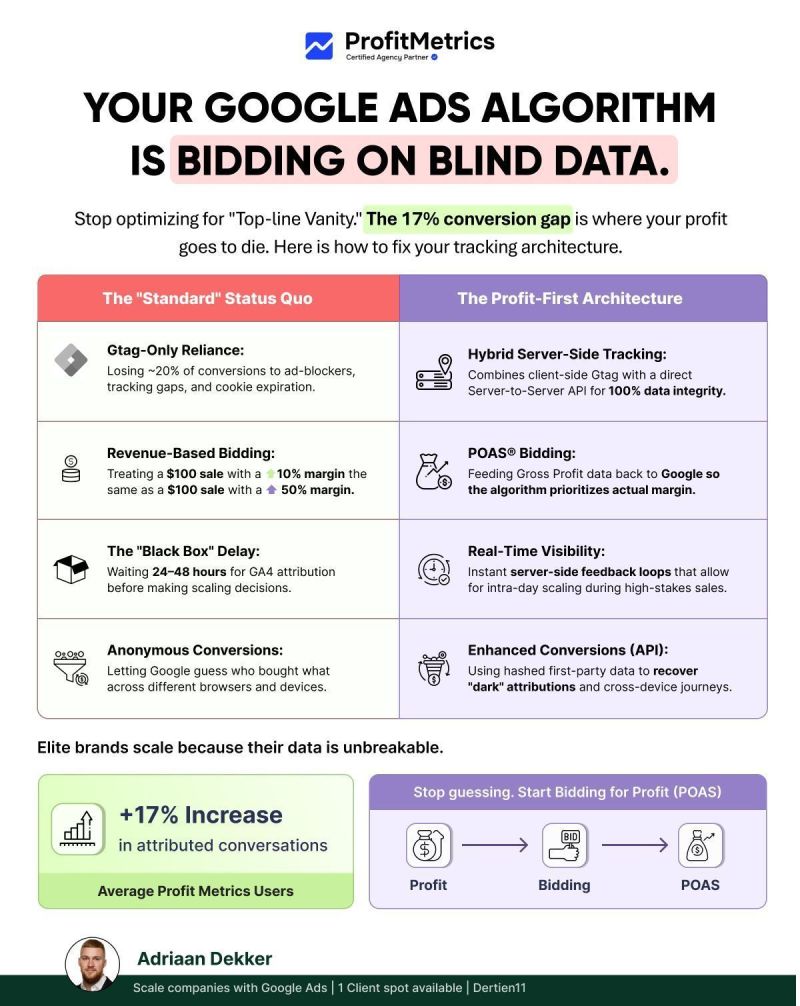
Your Google Ads Algorithm is Bidding on Blind Data

If you’re still relying only on browser pixels in 2026… You’re probably losing conversions. Missing data = confused algorithms = wasted ad spend. Server-side tracking can fix that. Instead of depending on the user’s browser, you send clean, verified conversion data directly from your server to Google and Meta. ✅ Higher match rates✅ More accurate

Your Google Ads Algorithm is Bidding on Blind Data Read More »

Important Google Analytics & Google Ads update

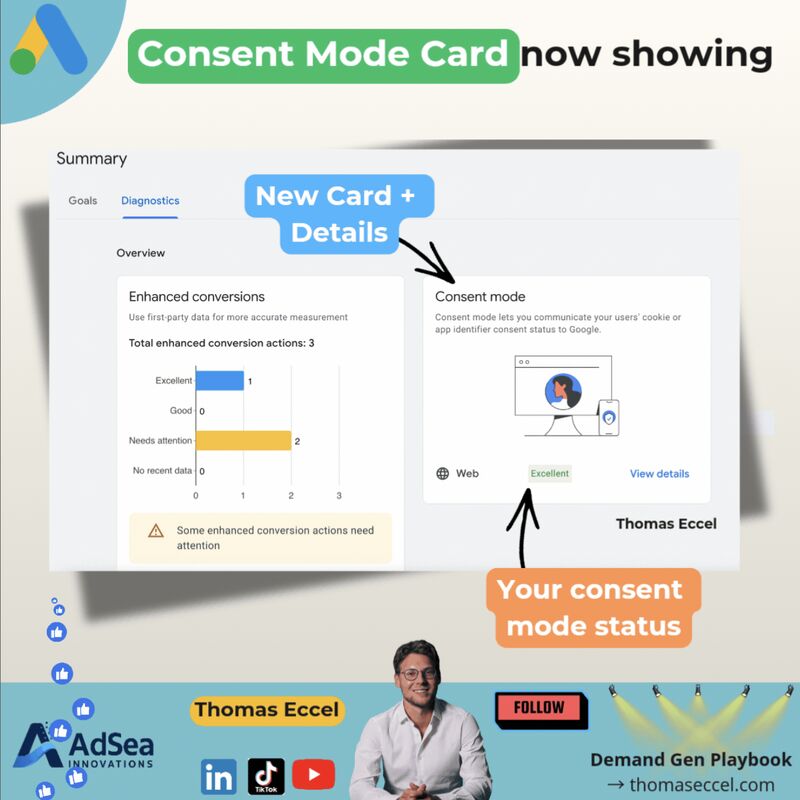
Google has announced changes to simplify how data is collected and used, while placing even more emphasis on user consent. What’s changing? Google Ads settings will take greater control over how data is used Google Signals and Consent Mode are being aligned into one unified approachStarting June 15, 2026, data controls will become “destination-specific” (per

Important Google Analytics & Google Ads update Read More »

How Enhanced Conversions Track Cross-Device Sales

1. User Clicks Your Ad on Mobile Someone searches on Google using their phone.They click your ad and visit your website. 2. User Shares Contact Details Later they may:Sign upEnter their emailStart checkoutSubmit a lead formThis creates first-party data (like email or phone number). 3. Data Is Hashed for Privacy The contact details are:EncryptedHashedSent securelyNo

How Enhanced Conversions Track Cross-Device Sales Read More »

Smarter optimization approach

Stop Optimizing Campaigns in Isolation Start Thinking in Portfolios Many advertisers still manage campaigns individually… But smart growth comes from using Portfolio Bid Strategies. When campaigns share data, automation becomes stronger, learning becomes faster, and performance becomes more stable. Here’s why portfolio bidding matters: ✅ Combines data across campaigns → Stronger signals & faster optimization✅

Smarter optimization approach Read More »

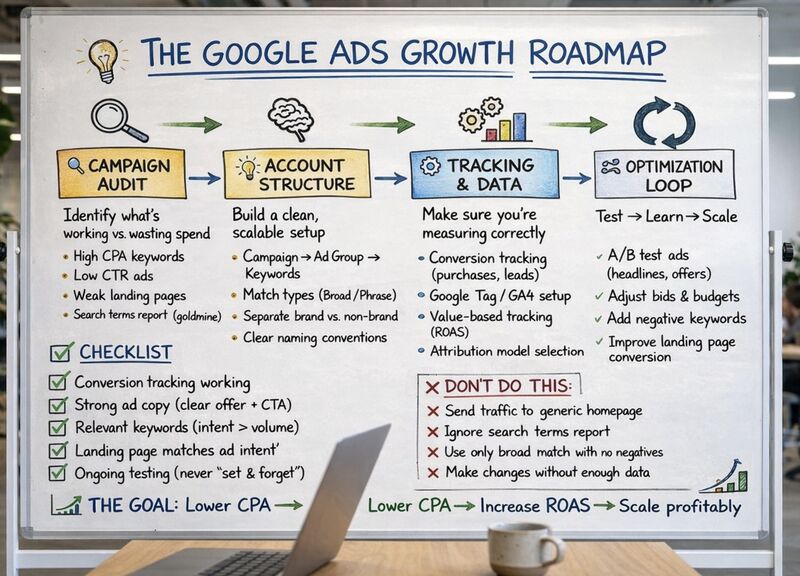
🚀 THE GOOGLE ADS GROWTH ROADMAP (2026 EDITION)

Most Google Ads accounts don’t fail because of budget. They fail due to structural issues, tracking problems, and wasted spend. Here’s the simple roadmap we use to scale profitably: 🔍 1. Campaign Audit Identify what’s working vs. wasting spend• High CPA keywords• Low CTR ads• Weak landing pages• Search terms report = goldmine 🧠 2.

🚀 THE GOOGLE ADS GROWTH ROADMAP (2026 EDITION) Read More »

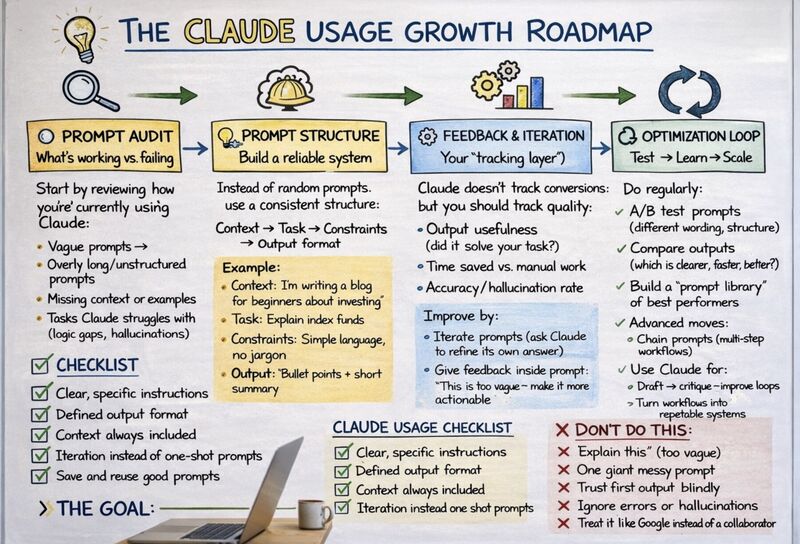
THE CLAUDE USAGE GROWTH ROADMAP

1) PROMPT AUDIT (What’s working vs. failing) Start by reviewing how you’re currently using Claude: Vague prompts → weak outputs Overly long / unstructured prompts Missing context or examples Tasks Claude struggles with (logic gaps, hallucinations) 2) PROMPT STRUCTURE (Build a reliable system) Instead of random prompts, use a consistent structure: Framework: Context → Task

THE CLAUDE USAGE GROWTH ROADMAP Read More »

If you’re still relying only on browser pixels in 2026…

You’re probably losing conversions. Missing data = confused algorithms = wasted ad spend. Server-side tracking can fix that. Instead of depending on the user’s browser, you send clean, verified conversion data directly from your server to Google and Meta. ✅ Higher match rates✅ More accurate attribution✅ Stronger campaign performance✅ Future-proof tracking If you want to

If you’re still relying only on browser pixels in 2026… Read More »

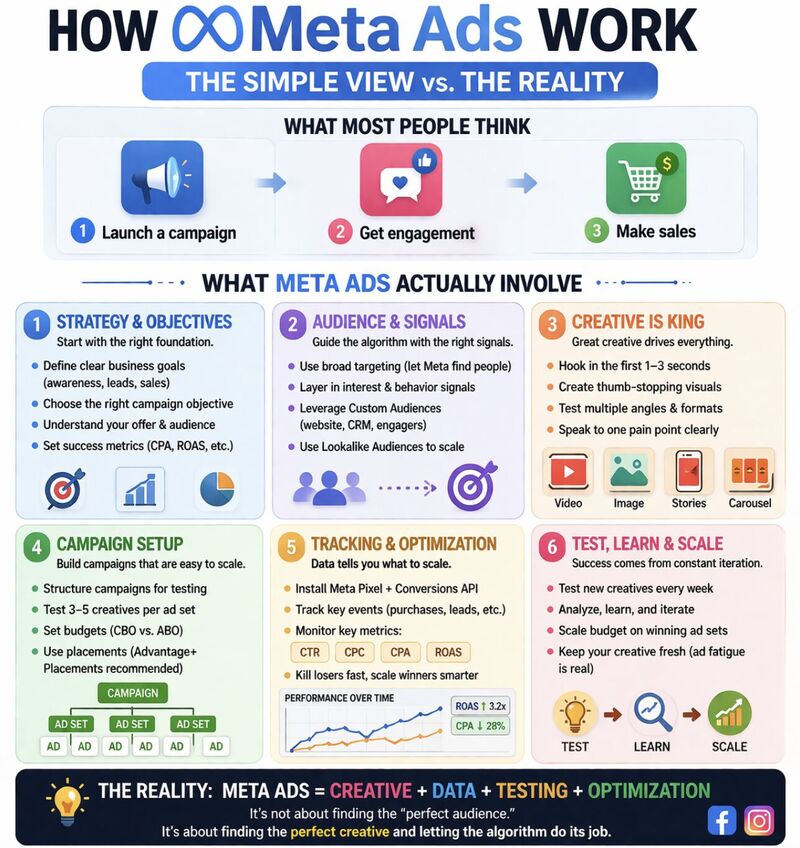
How Meta Ads Work

Most people think Meta Ads work like this: 👉 Launch a campaign👉 Get engagement👉 Make sales But in reality… it’s way more complex. Behind every profitable Meta campaign is: • A strong creative strategy (this is EVERYTHING)• Scroll-stopping hooks in the first 3 seconds• Multiple ad variations constantly being tested• Audience signals (but less manual

How Meta Ads Work Read More »

How people see Conversion Tracking in 2026

Most people think conversion tracking is simple. Install a pixel → see conversions → done. Reality in 2026? It’s a full system. Conversion tracking today involves: • Defining what actually counts as a conversion• Mapping the full customer journey• Setting up server-side tracking (CAPI)• Fixing data quality issues• Understanding attribution (not just last click)• Connecting

How people see Conversion Tracking in 2026 Read More »

How people see Conversion tracking in 2026

Most people think conversion tracking is simple. Install a pixel → see conversions → done. Reality in 2026? It’s a full system. Conversion tracking today involves: • Defining what actually counts as a conversion• Mapping the full customer journey• Setting up server-side tracking (CAPI)• Fixing data quality issues• Understanding attribution (not just last click)• Connecting

How people see Conversion tracking in 2026 Read More »

How People See Google Ads for Small Budgets in 2026

What most people think Google Ads is – Create ad– Get clicks– Make sales What Google Ads for Small Budgets actually involves in 2026 💰 Smart Budgeting – Start small ($5–$20/day)– Focus on ROI (not just traffic)– Track micro conversions (form start, call click, add-to-cart)– Set daily budget limits 🔎 Targeted Campaigns (Focus on Search)

How People See Google Ads for Small Budgets in 2026 Read More »

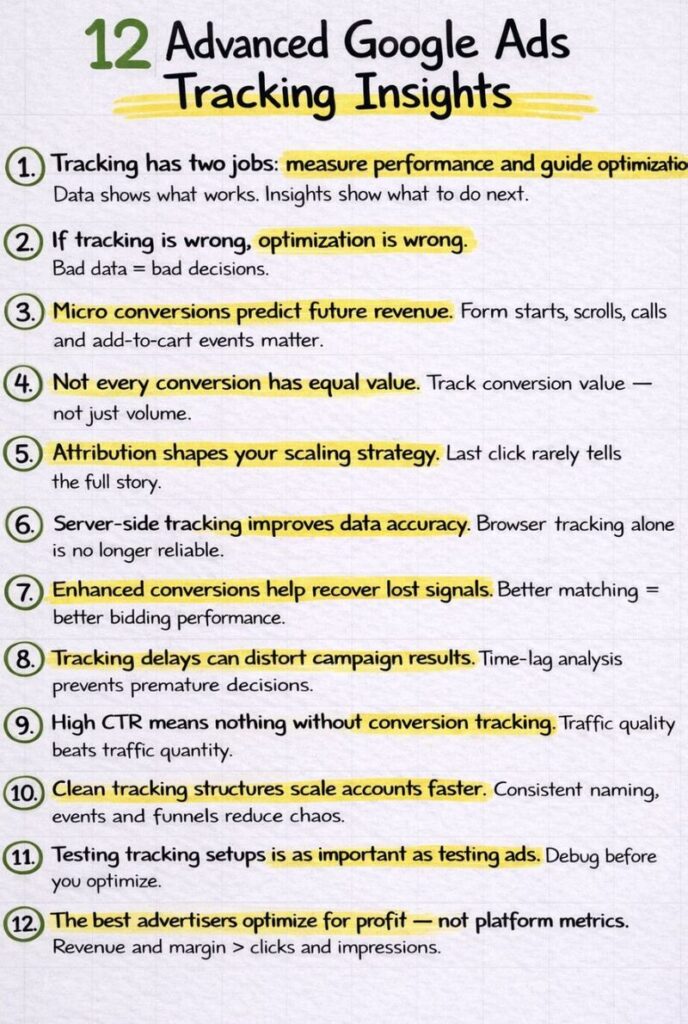
12 Advanced Google Ads Tracking Insights

1. Tracking has two jobs: measure performance and guide optimization.Data shows what works. Insights show what to do next. 2. If tracking is wrong, optimization is wrong.Bad data = bad decisions. 3. Micro conversions predict future revenue.Form starts, scrolls, calls and add-to-cart events matter. 4. Not every conversion has equal value.Track conversion value — not

12 Advanced Google Ads Tracking Insights Read More »

If you’re still relying only on browser pixels in 2026…

You’re probably losing conversions. Missing data = confused algorithms = wasted ad spend. Server-side tracking can fix that. Instead of depending on the user’s browser, you send clean, verified conversion data directly from your server to Google and Meta. ✅ Higher match rates✅ More accurate attribution✅ Stronger campaign performance✅ Future-proof tracking If you want to

If you’re still relying only on browser pixels in 2026… Read More »

The Claude usage growth roadmap

1) PROMPT AUDIT (What’s working vs. failing) Start by reviewing how you’re currently using Claude: Vague prompts → weak outputs Overly long / unstructured prompts Missing context or examples Tasks Claude struggles with (logic gaps, hallucinations) 2) PROMPT STRUCTURE (Build a reliable system) Instead of random prompts, use a consistent structure: Framework: Context → Task

The Claude usage growth roadmap Read More »

🚀 THE GOOGLE ADS GROWTH ROADMAP (2026 EDITION)

Most Google Ads accounts don’t fail because of budget. They fail due to structural issues, tracking problems, and wasted spend. Here’s the simple roadmap we use to scale profitably: 🔍 1. Campaign Audit Identify what’s working vs. wasting spend• High CPA keywords• Low CTR ads• Weak landing pages• Search terms report = goldmine 🧠 2.

🚀 THE GOOGLE ADS GROWTH ROADMAP (2026 EDITION) Read More »
How People See Google Ads for Small Budgets in 2026

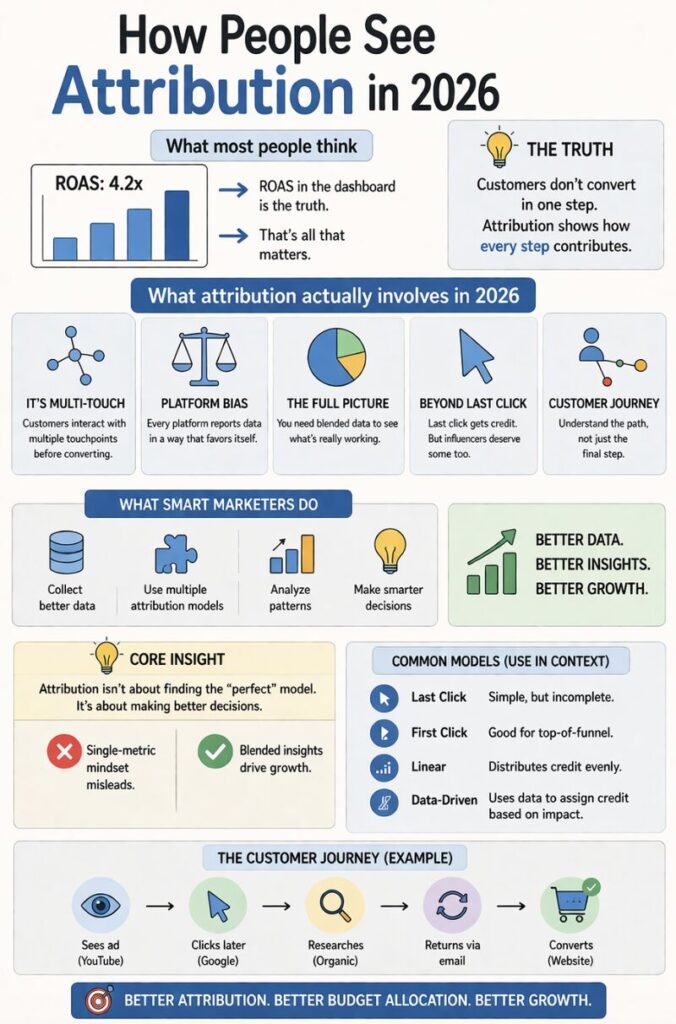
What most people think Google Ads is – Create ad– Get clicks– Make sales What Google Ads for Small Budgets actually involves in 2026 💰 Smart Budgeting – Start small ($5–$20/day)– Focus on ROI (not just traffic)– Track micro conversions (form start, call click, add-to-cart)– Set daily budget limits 🔎 Targeted Campaigns (Focus on Search)

How People See Google Ads for Small Budgets in 2026 Read More »
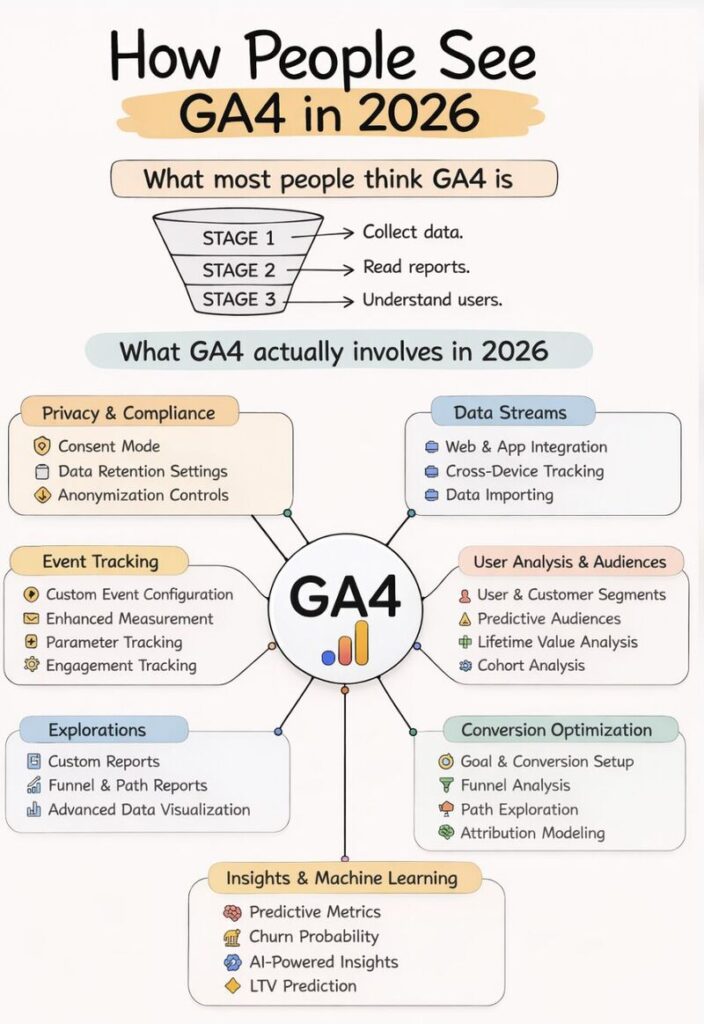
How People See GA4

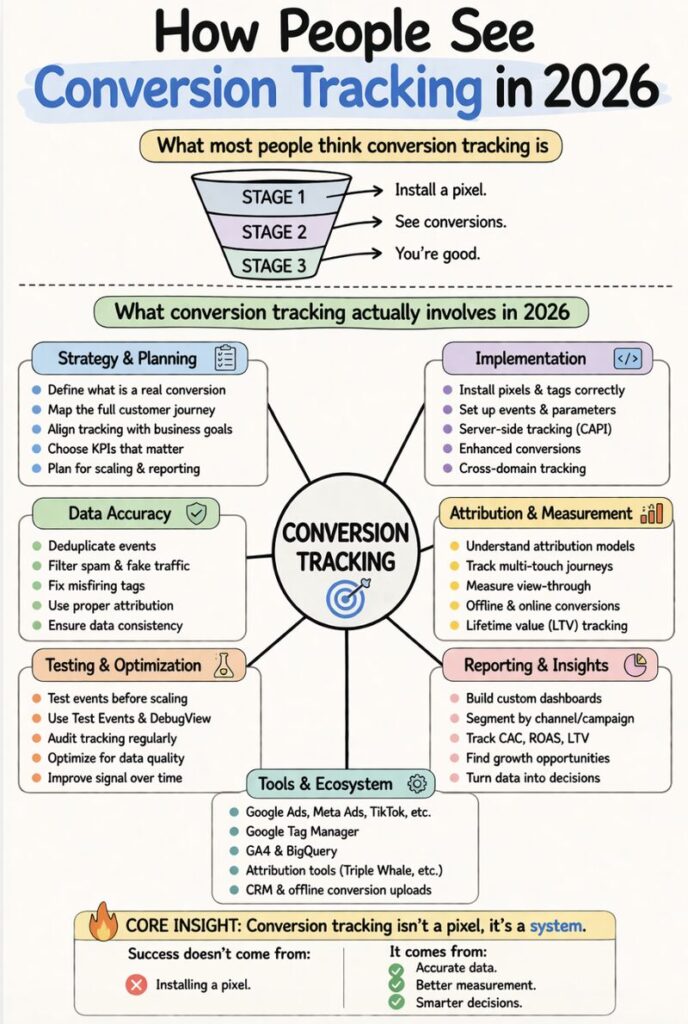
Most people think GA4 is simple: 👉 Collect data → Read reports → Understand users. But in 2026, GA4 is much more than dashboards and traffic charts. It’s a full growth intelligence platform. Here’s what actually matters 👇 🔐 Privacy & complianceConsent mode, data retention strategy, anonymization measurement now starts with trust. 📊 Event-based trackingCustom

How People See GA4 Read More »

Most advertisers think their Google Ads data is accurate

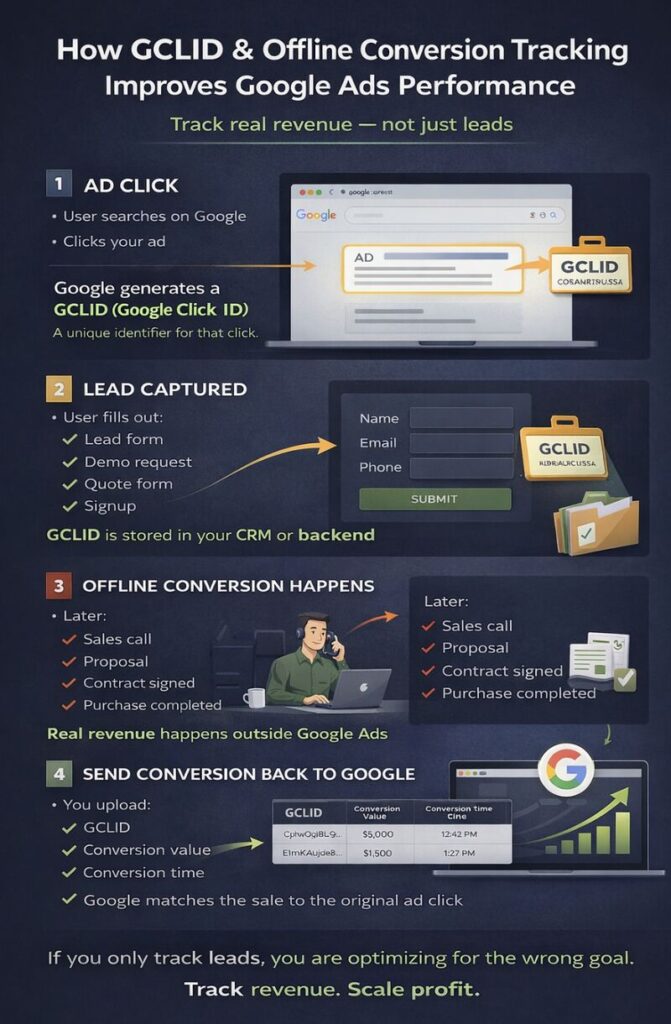
t’s not. If you close deals offline, in CRM, or after multiple touchpoints, you are probably missing conversions. That means you are optimizing campaigns based on incomplete data. Here’s where GCLID and offline conversion tracking change everything. When someone clicks your Google Ad, a unique identifier is created. This is the GCLID (Google Click ID).

Most advertisers think their Google Ads data is accurate Read More »

Smarter Optimization Approach

Stop Optimizing Campaigns in Isolation Start Thinking in Portfolios Many advertisers still manage campaigns individually… But smart growth comes from using Portfolio Bid Strategies. When campaigns share data, automation becomes stronger, learning becomes faster, and performance becomes more stable. Here’s why portfolio bidding matters: ✅ Combines data across campaigns → Stronger signals & faster optimization✅

Smarter Optimization Approach Read More »
How Enhanced Conversions Track Cross-Device Sales

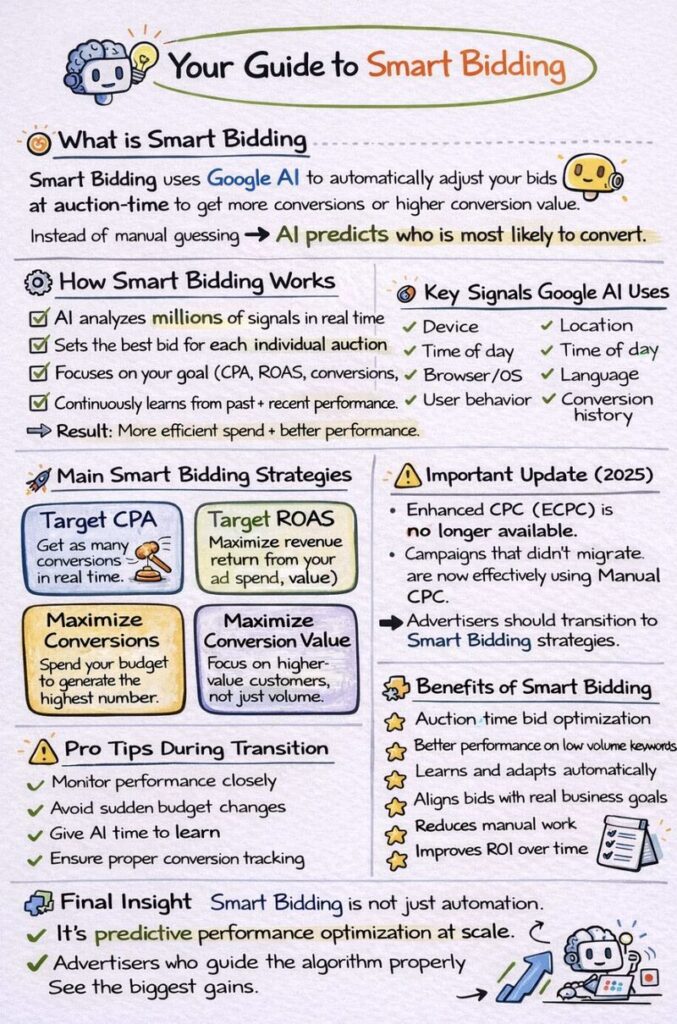
1. User Clicks Your Ad on Mobile Someone searches on Google using their phone.They click your ad and visit your website. 2. User Shares Contact Details Later they may:Sign upEnter their emailStart checkoutSubmit a lead formThis creates first-party data (like email or phone number). 3. Data Is Hashed for Privacy The contact details are:EncryptedHashedSent securelyNo

How Enhanced Conversions Track Cross-Device Sales Read More »