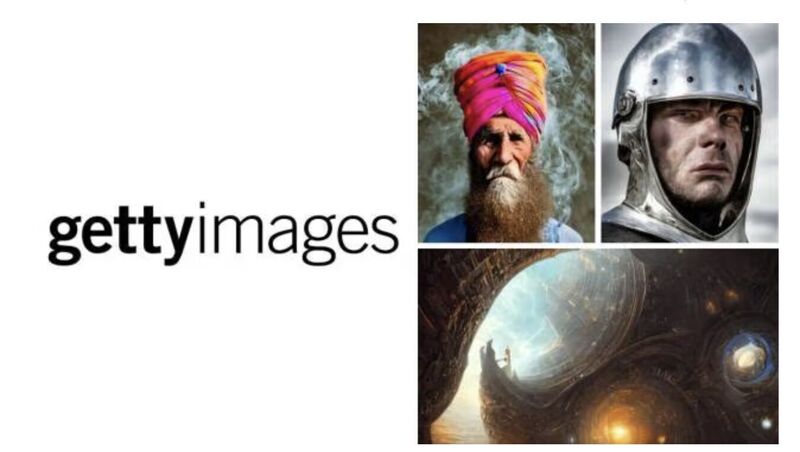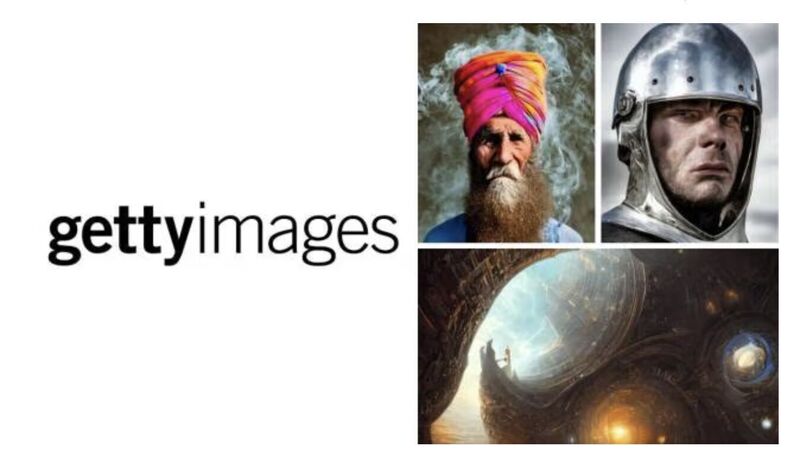
Getty claims Stability AI illegally trained Stable Diffusion on millions of Getty photos
The lawsuit covers over 12 million copyrighted images
At $150,000 per work, potential damages total $1.8 billion
But this case goes way beyond the money.
It could redefine how AI companies operate worldwide:
1. It challenges the idea that scraping the internet = fair use
Getty argues that using its images without permission even for training is a clear copyright violation
Stability AI claims it’s “transformative” and legal under fair use
2. It puts licensing front and center
If Getty wins, AI labs will be forced to license copyrighted data or face massive lawsuits
3. It demands transparency
Getty wants to know exactly what Stable Diffusion was trained on
If the court forces disclosure, it could set a precedent: AI companies may have to open their training datasets
4. An injunction could freeze Stable Diffusion
In the UK, Getty is pushing to block the model entirely or require it to be retrained at enormous cost
5. This case could open the floodgates
If Getty wins, record labels, film studios, game publishers, and more may launch similar billion-dollar lawsuits
Why this matters for the entire AI industry:
A Getty win means web-scraped training may no longer be legally safe
Courts could force AI companies to license all their training data
Transparency rules could kill the “black box” approach to AI model development
A UK ruling will set international precedent for copyright and AI
Key numbers:
– Getty accuses Stability AI of copying up to 12 million photos
– Just 11,383 specific works are included in the US lawsuit
– That’s up to $1.7 billion in damages in the US alone
Trial timeline:
– The UK trial began in June 2025
– A ruling is expected later this year
– US litigation is still ongoing
This case could be the copyright showdown that reshapes the future of generative AI.