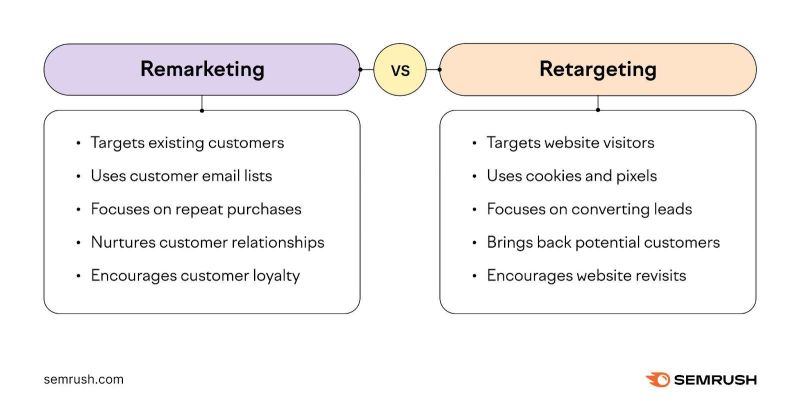
Remarketing vs Retargeting
Know the difference between remarketing and retargeting. Powered by Semrush.
Remarketing vs Retargeting Read More »
Know the difference between remarketing and retargeting. Powered by Semrush.
Remarketing vs Retargeting Read More »
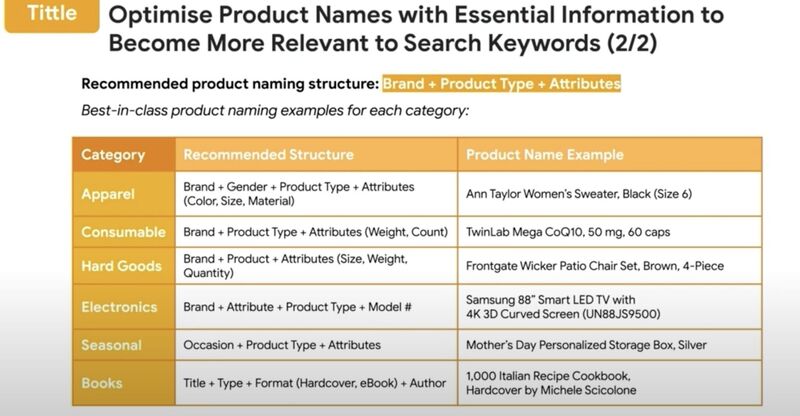
– Apparel: Brand + Gender + Product Type + Attributes (Color, Size, Material)– Consumable: Brand + Product Type + Attributes (Weight, Count)– Hard Goods: Brand + Product Type + Attributes (Size, Weight, Quantity)– Electronics: Brand + Attribute + Product Type + Model #– Seasonal: Occasion + Product Type + Attributes– Books: Title + Type +
Recommended title structure by Google Read More »

I saw this great picture from Arpan Banerjee about how Data-Driven attribution works!
How Data-Driven attribution works Read More »
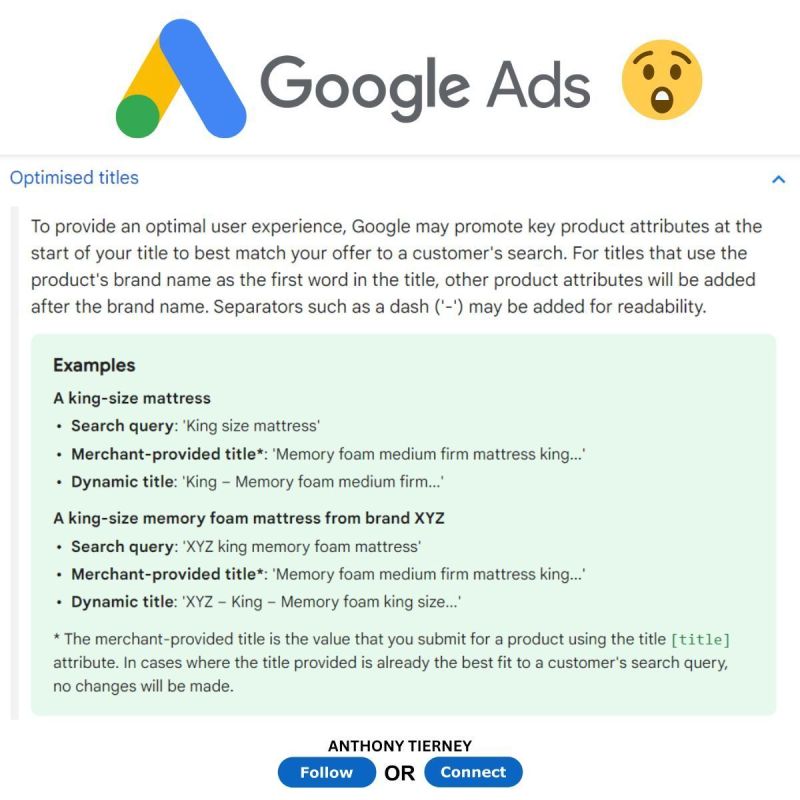
Great information by Anthony Tierney! Google can change your titles in shopping be aware of this! Thanks for sharing.
Google can change your titels Read More »
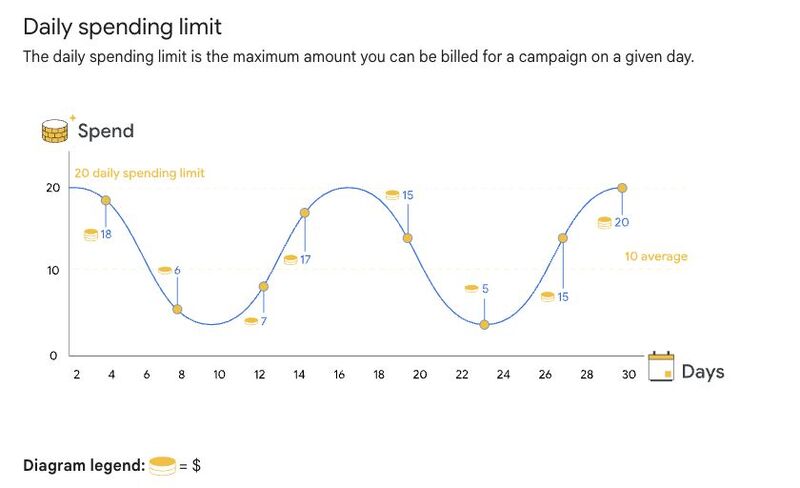
The Business Owner asked me this with wide eyes… And honestly? Been there😅 Here’s something Business owners miss when they set their Google Ads budget: – You’re not setting a hard daily cap.– You’re giving Google flexibility. Because traffic doesn’t follow a perfect schedule. Some days pop. Some days flop. So here’s how it works:
Wait, why did my campaign spend double my daily budget yesterday? Read More »
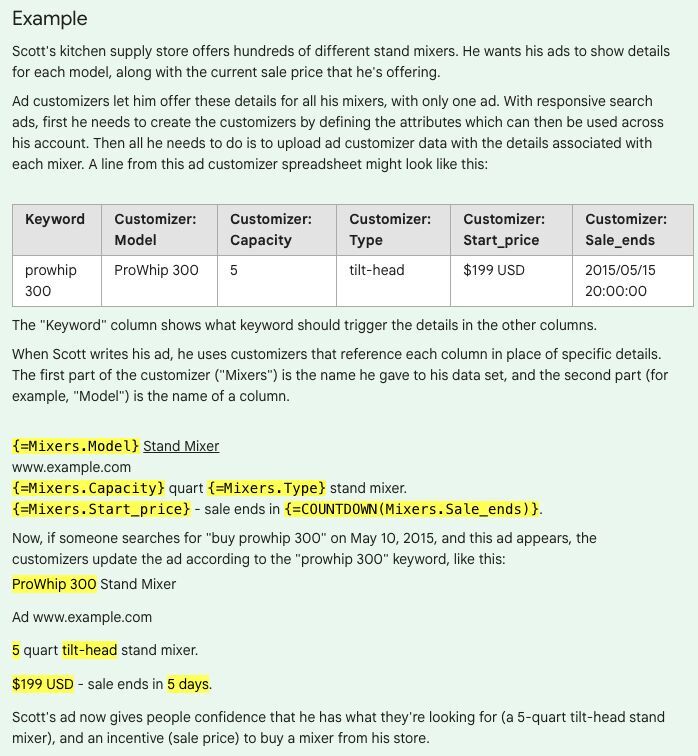
Instead of writing 100 ads, you write one, and Google swaps in the right product, price, or message based on who’s searching. Example: Someone searches “ProWhip 300” → your RSA shows: – ProWhip 300 Stand Mixer– 5 quart tilt-head.– Just $199 – sale ends in 5 days. All from this line in your ad: {=Mixers.Model}
Ad customizers = your Google Ads on autopilot 🔥 Read More »
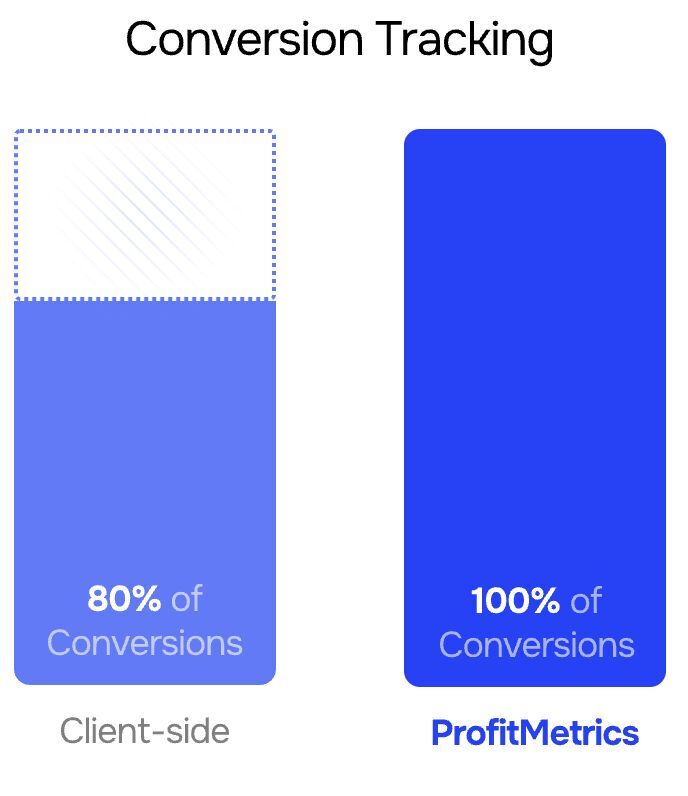
Normally (client-side tracking): When someone visits your website, their browser sends data directly to platforms like Google Analytics or Facebook Ads. Example: “Adriaan clicked this button!” gets sent straight from the visitor’s device to Google. With server-side tracking: Instead of sending that data straight to Google, the browser sends it to your own server first
How does server-side tracking work? Read More »
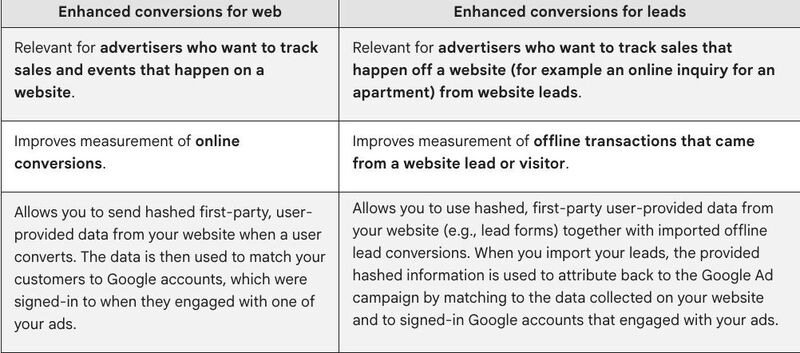
If you’re running Google Ads and want more accurate conversion tracking, Enhanced Conversions can help. But there are two types, and each serves a different purpose. Enhanced Conversions for Web Use this when the conversion happens directly on your website.A user submits their info (like email or phone number), it’s hashed and sent to Google,
Enhanced Conversions: Web vs Leads — what’s the difference? Read More »
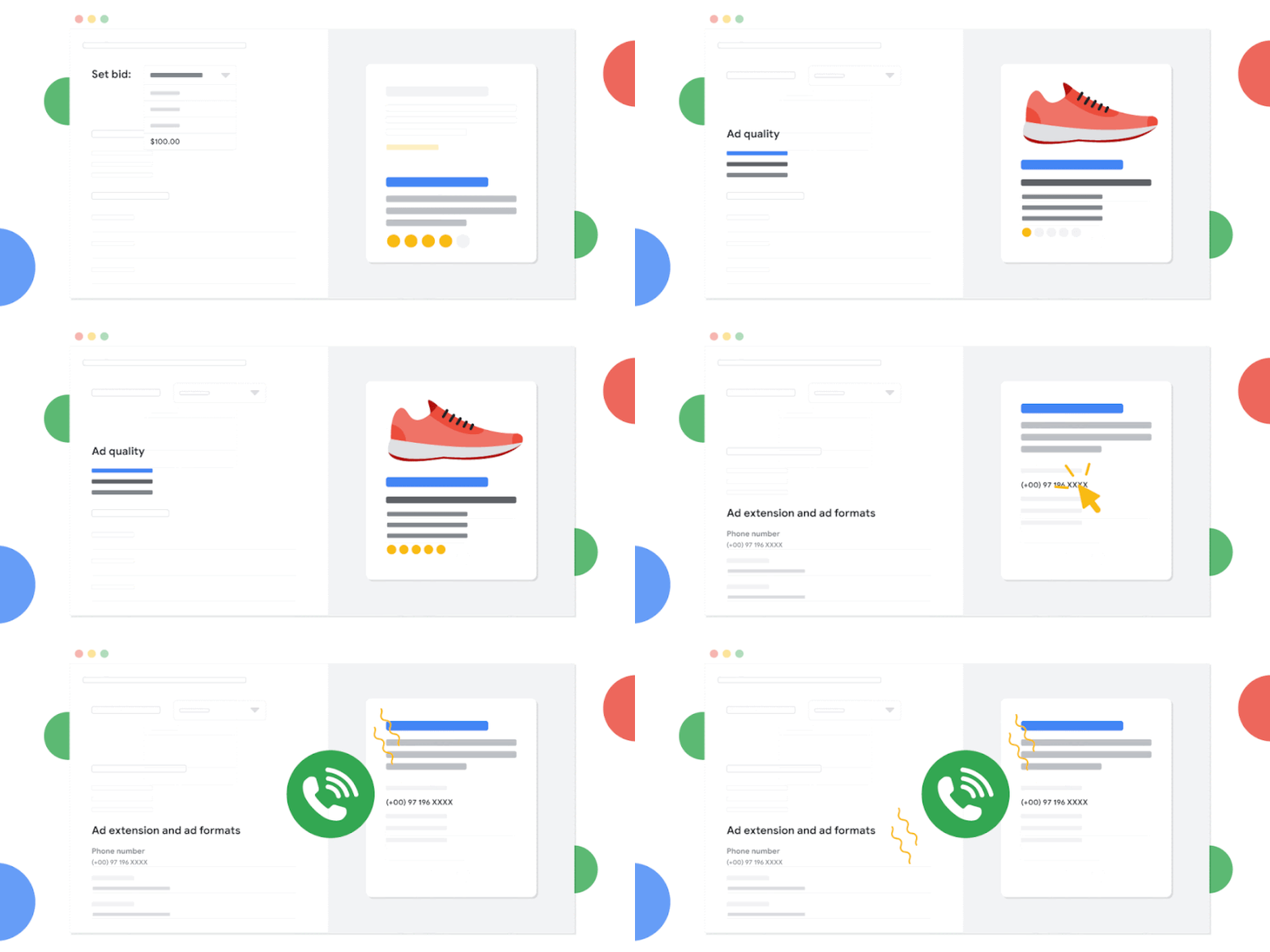
Every time someone searches on Google or visits a site with ads, Google Ads runs a real-time auction to decide which ads show and in what order. There are separate auctions for each ad position (like top vs. bottom of the page). The ad auction is based on six key factors: Your Bid – The
How the Google Ads Auction Works Read More »
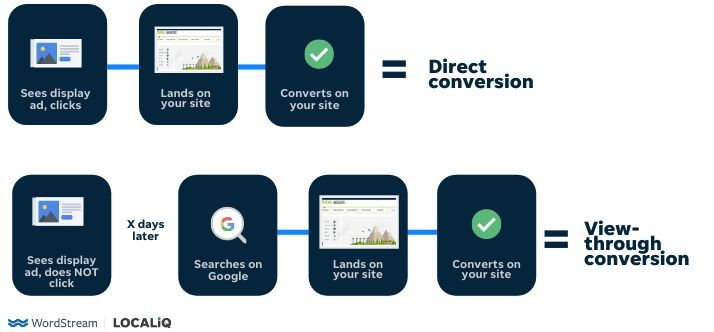
That’s a view-through conversion at work. It happens when someone sees your ad, doesn’t click, but later converts. If your view-through conversion window is set to 30 days, Google Ads will track those conversions for up to 30 days after the impression. For top-of-funnel campaigns like Display or YouTube, setting the right window can help
“We didn’t get clicks, but we got conversions.” Read More »