Nieuws

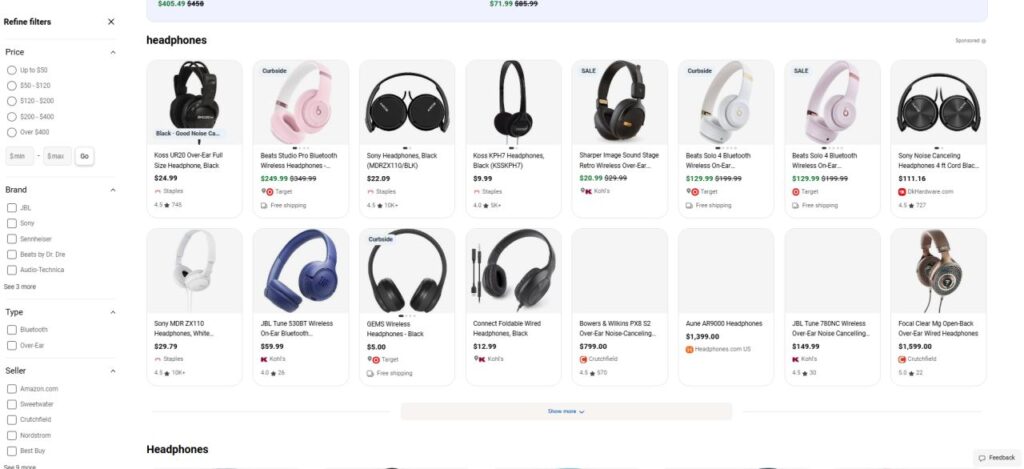
Google’s Deal Ends annotation in Merchant Center is no longer experimental.

Google dropped the experimental label from the feature name in its help document. It shows badges like "3 days left" or "5 hours left" under the price in Product Listing Ads, built from your promotions and sale prices. Watch out: India is now on the list of regions where it is not available. Before, it

Google’s Deal Ends annotation in Merchant Center is no longer experimental. Read More »
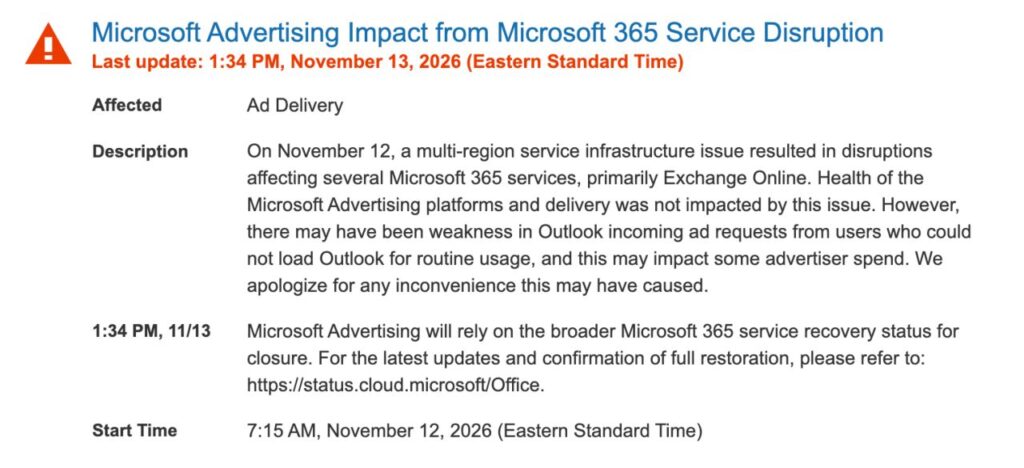
Your Microsoft Ads spend may have dipped during the Microsoft 365 outage.

Microsoft says the Advertising platform and ad delivery were not directly affected. But users who could not load Outlook sent fewer ad requests from Outlook, which may have lowered some advertisers' spend. The outage started on November 12 and mostly hit Exchange Online. Microsoft Advertising will wait for the wider Microsoft 365 recovery status before

Your Microsoft Ads spend may have dipped during the Microsoft 365 outage. Read More »
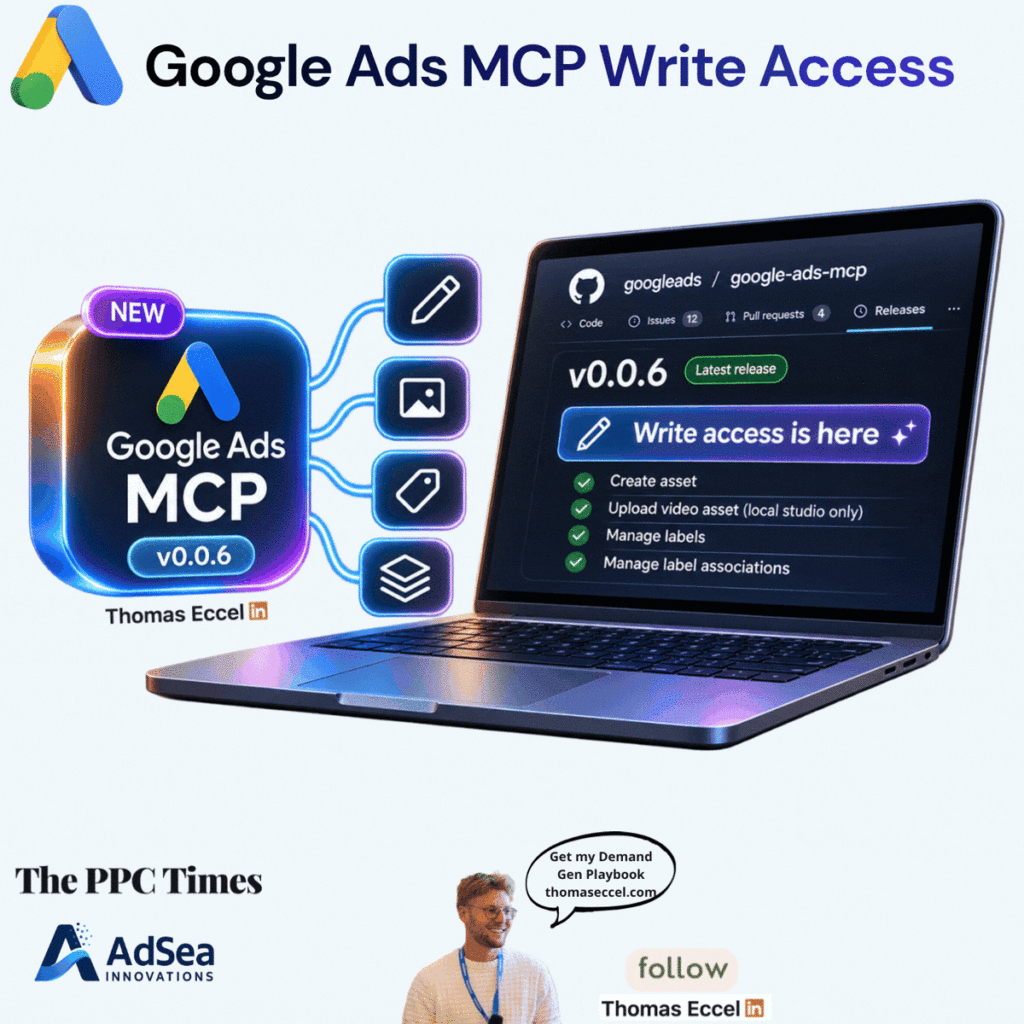
Google’s official Google Ads MCP server can now make changes, not just read…

Version 0.0.6 on GitHub adds write access. The official docs still say read only, but it already works. What it can create: text, image and YouTube video assets, plus sitelinks, callouts and structured snippets video uploads straight to YouTube labels, which you can create, update, remove and apply to campaigns, ad groups and keywords Reading

Google’s official Google Ads MCP server can now make changes, not just read… Read More »
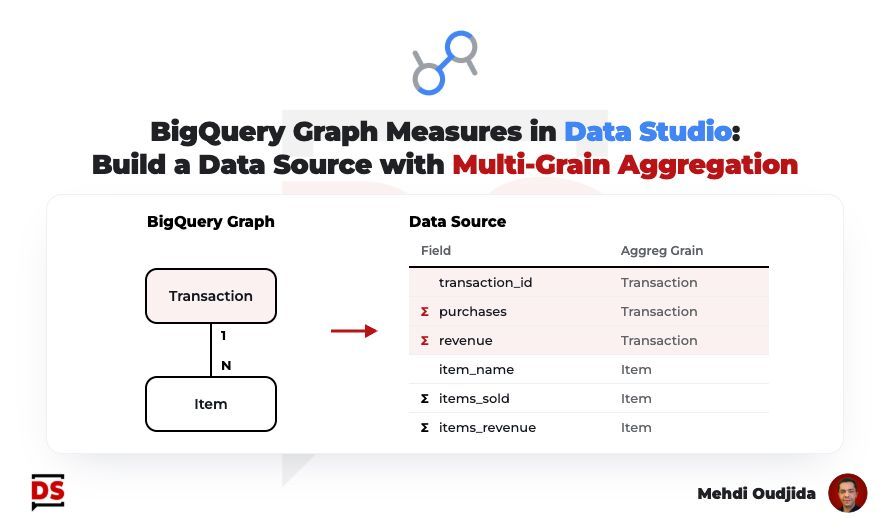
Data Studio can now report on several grains from one BigQuery data source.

Before, mixing orders and items meant one table per grain, a blend per chart or a custom query per question. Every new chart risked counting an order twice. Now you declare once in BigQuery at which grain each metric is aggregated, and every Data Studio chart follows it. Two releases make it work: October 22:

Data Studio can now report on several grains from one BigQuery data source. Read More »
Google tightened the setup requirements for Conversion Lift studies.

The studies themselves work the same. What changed is the tracking you need before you launch one: Offline conversions: GCLID-only imports are not enough. Use enhanced conversions for leads with hashed first-party data. GA4-imported web conversions are explicitly not supported. Enhanced conversions need more detail on hashed emails, phone numbers, addresses and transaction IDs. Consent

Google tightened the setup requirements for Conversion Lift studies. Read More »
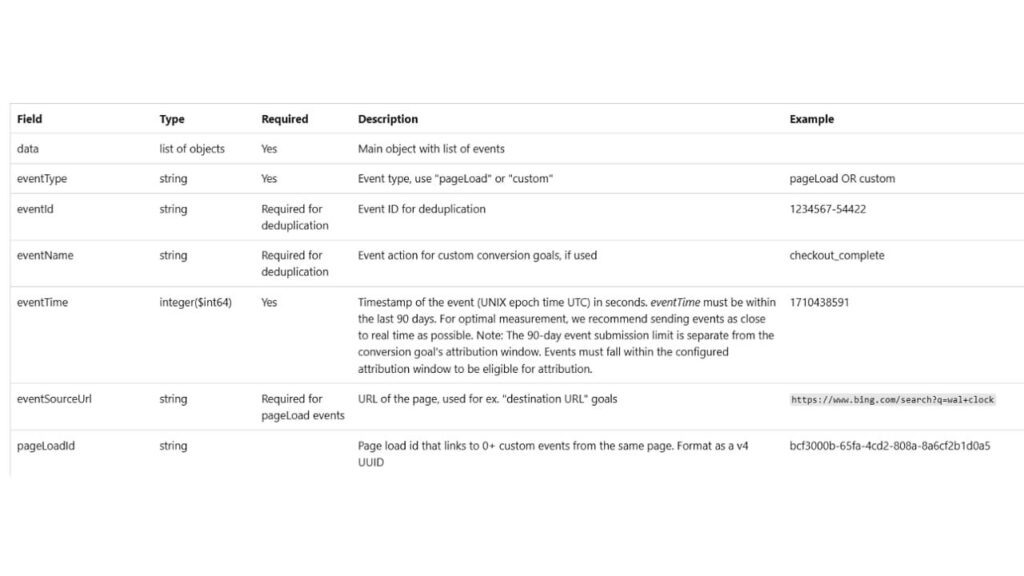
Microsoft’s Conversions API is now generally available for all advertisers.

It lets you send first-party events straight from your server to Microsoft Ads. Think web, app, CRM, offline and call-center data, like qualified leads, opportunities and offline sales. It runs next to the UET tag and picks up what browsers miss. Events sent through both are deduplicated with an event ID. Uploads can be up

Microsoft’s Conversions API is now generally available for all advertisers. Read More »
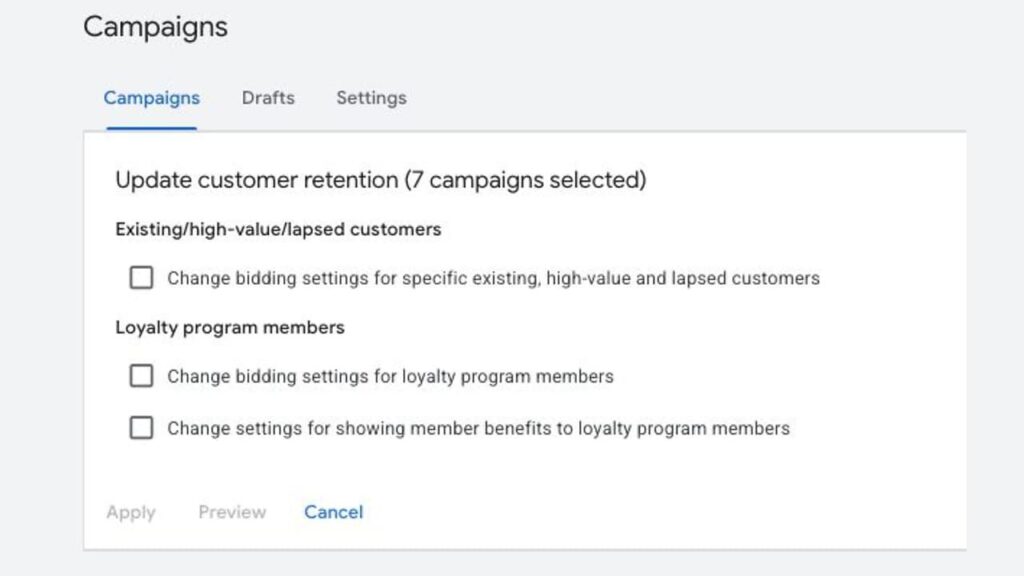
You can now change customer retention settings across several campaigns at once.

One panel lets you adjust bidding for: existing customers high-value customers lapsed customers loyalty program members The same panel controls whether loyalty members see your member benefits. No word yet on which accounts have it or how wide the rollout is. Spotted by Bia Camargo, via Hana Kobzová.

You can now change customer retention settings across several campaigns at once. Read More »
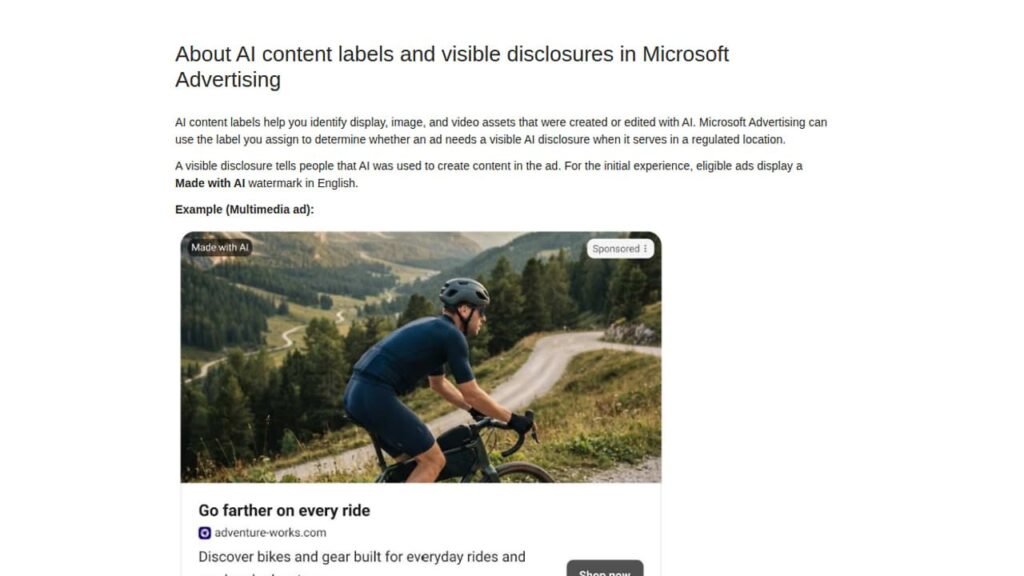
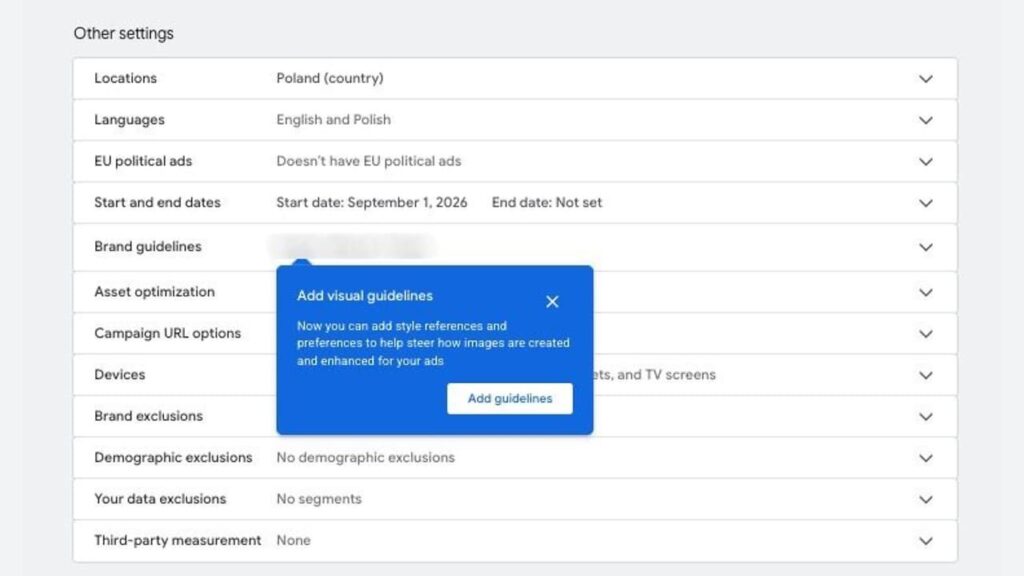
You can now steer the style of AI-generated images in Performance Max.

Google Ads added a visual guidelines section to PMax campaigns. What you can set: up to three reference images as a style guide content guidelines, like showing people using your product things to avoid, like distracting backgrounds Each guideline entry takes up to 300 characters, and you can add more entries with a button. No

You can now steer the style of AI-generated images in Performance Max. Read More »
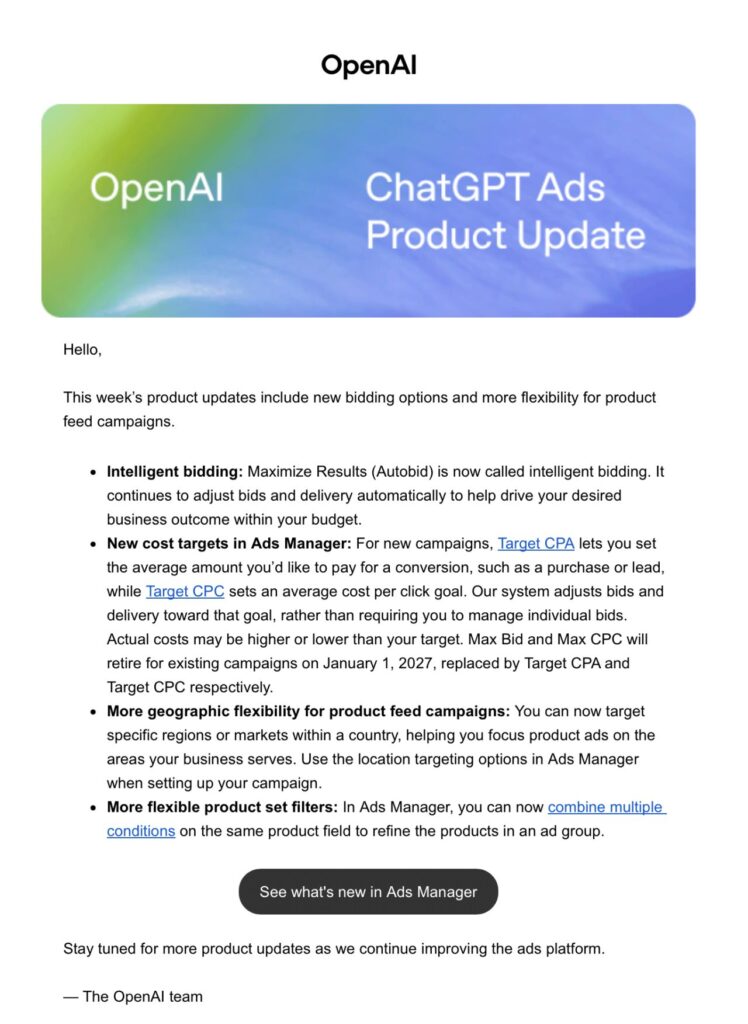
ChatGPT Ads product campaigns can now target regions within a country.

The update also brings: Maximize Results (Autobid) is now called intelligent bidding Product set filters in Ads Manager let you combine several conditions on the same product field Max Bid and Max CPC retire for existing campaigns on January 1, 2027, replaced by Target CPA and Target CPC Set the regional targeting through the location

ChatGPT Ads product campaigns can now target regions within a country. Read More »
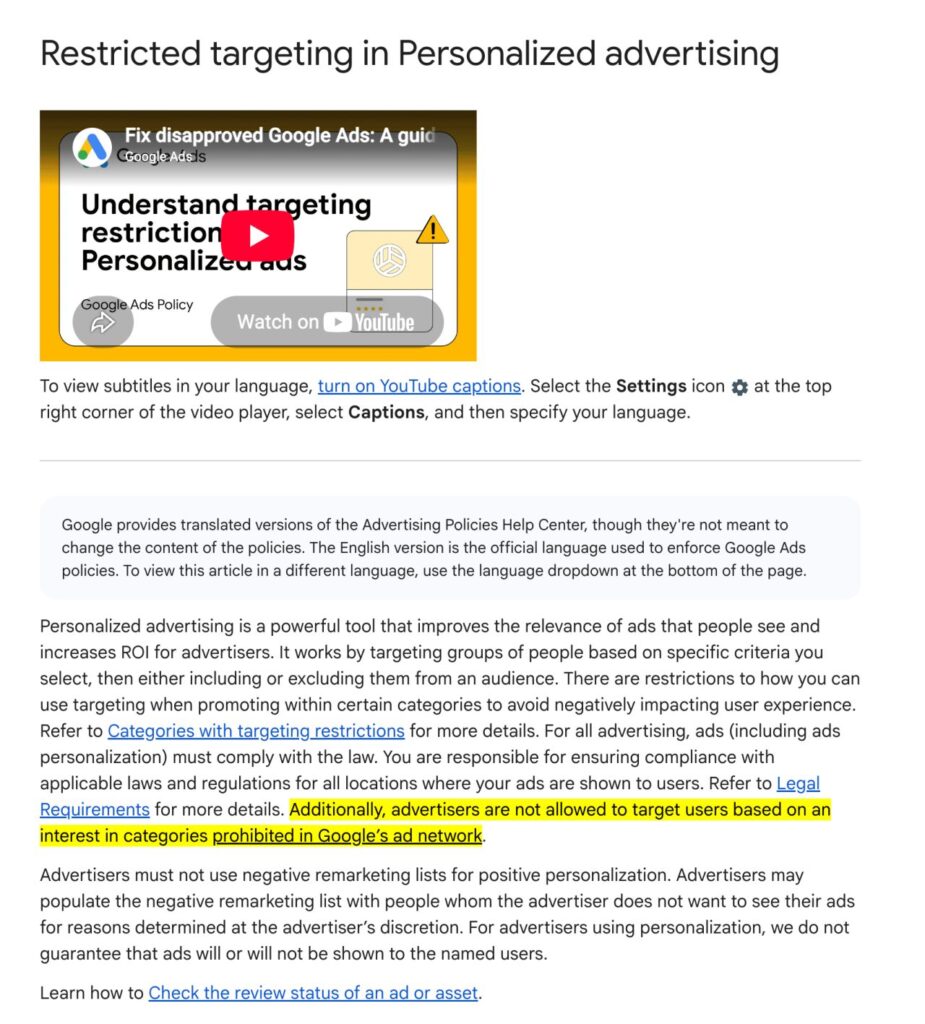
Google Ads now bans targeting users by interest in prohibited categories.

The line was added to the Restricted targeting rules in the Personalized advertising policy. It points to the categories Google doesn't allow in its ad network: counterfeit goods dangerous products or services enabling dishonest behavior inappropriate content No word yet on how this will be enforced, or whether existing audiences get checked. Via Barry Schwartz.

Google Ads now bans targeting users by interest in prohibited categories. Read More »
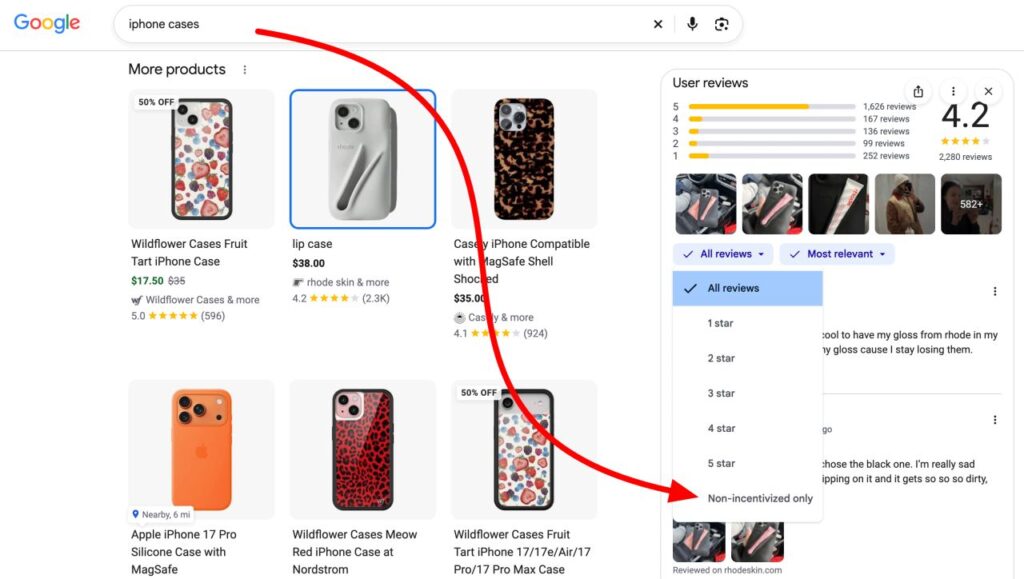
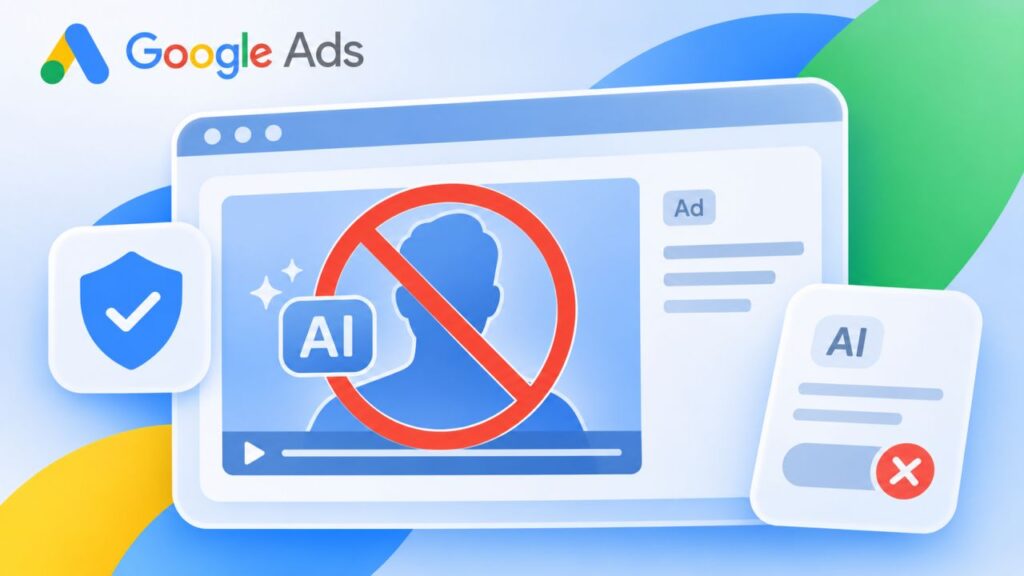
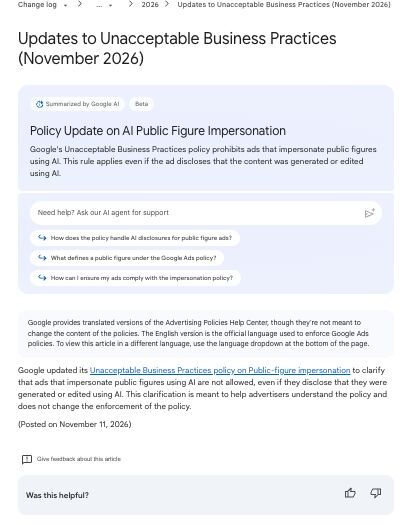
Labeling an ad as AI-generated no longer protects impersonated public figures.

Google updated its Unacceptable Business Practices policy to say this outright. Ads that use AI to impersonate a public figure are not allowed, even with an AI disclosure. This clarifies the existing rules. No new penalties or detection methods were announced. It is not a ban on AI creative in general. It targets content that

Labeling an ad as AI-generated no longer protects impersonated public figures. Read More »
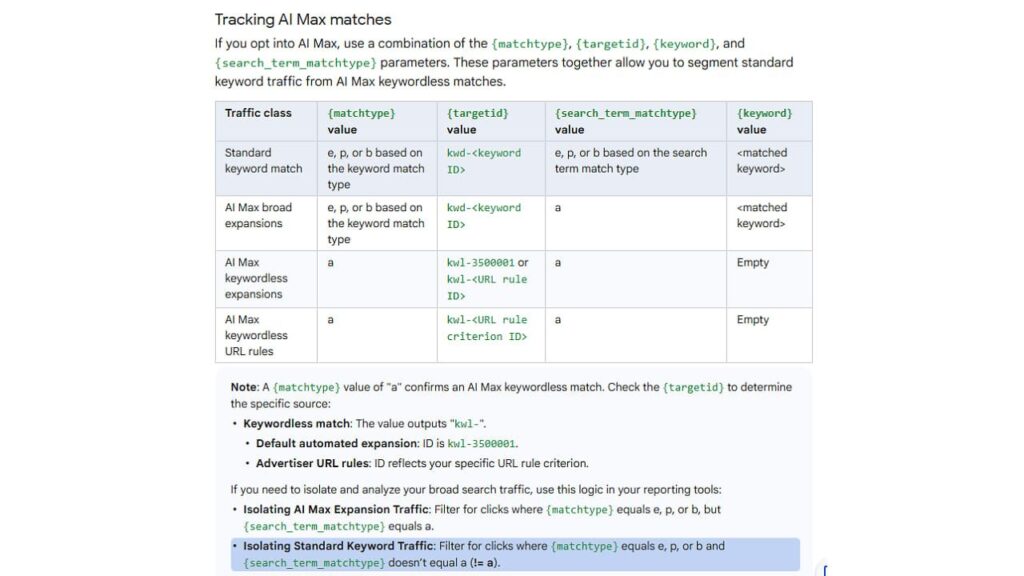
Data Manager is coming to Google Analytics, as a beta.

Simmer's latest newsletter rounds up more changes for technical marketers: Server-side GTM changes how it handles IP addresses The official Google Analytics MCP server has reached 1.0.0 Cookie Status has been redesigned and updated GTM's history-change page views now work with the bfcache No details yet on who gets the Data Manager beta or when.

Data Manager is coming to Google Analytics, as a beta. Read More »
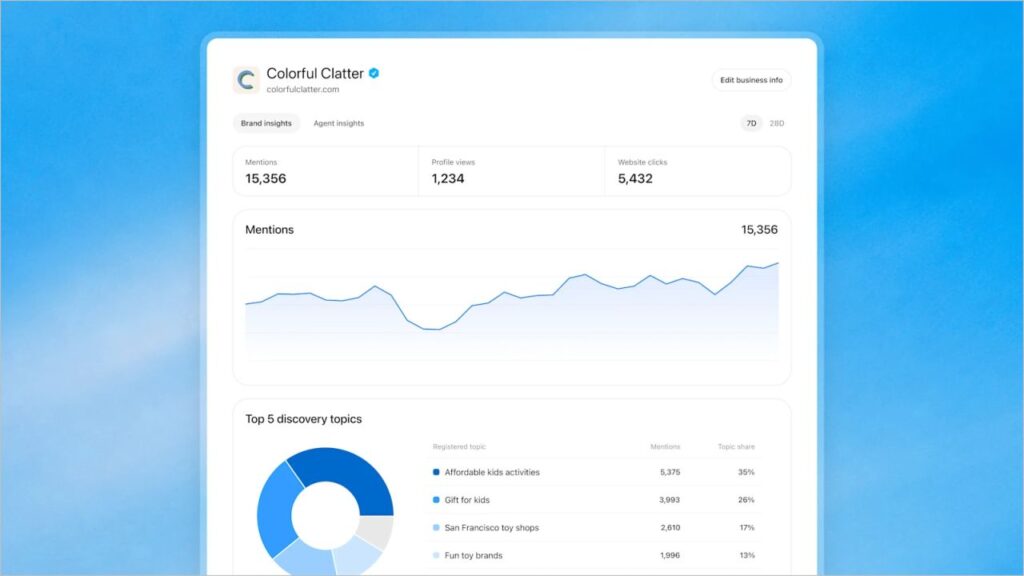
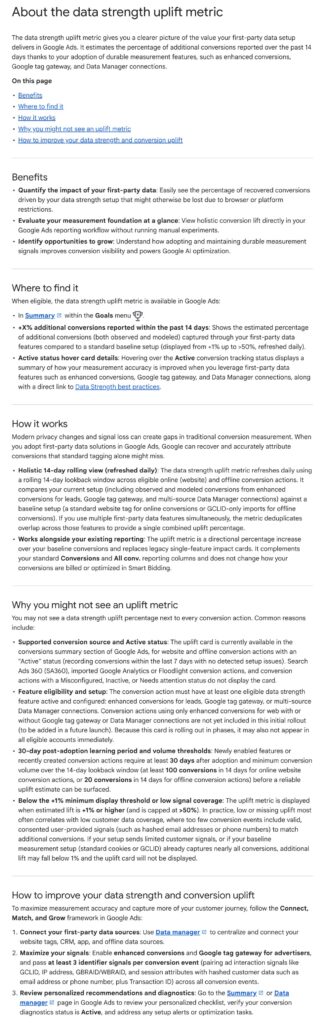
Google Ads now shows how many extra conversions your first-party data setup…

The new data strength uplift metric estimates the percentage of additional conversions reported over the past 14 days thanks to enhanced conversions, Google tag gateway and Data Manager connections. Where to find it: In Summary under the Goals menu, shown as +X% additional conversions, from +1% up to over 50%, refreshed daily On the Active

Google Ads now shows how many extra conversions your first-party data setup… Read More »
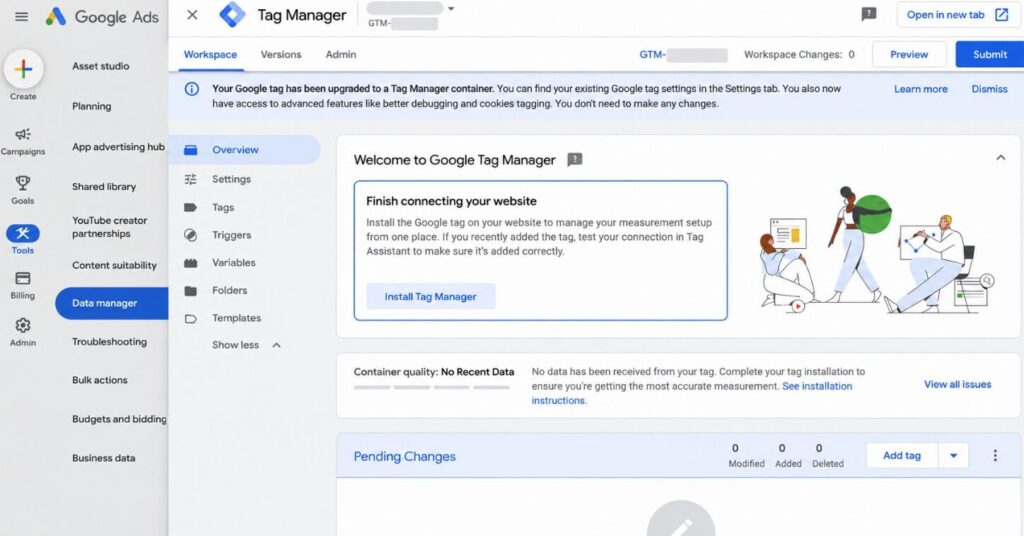
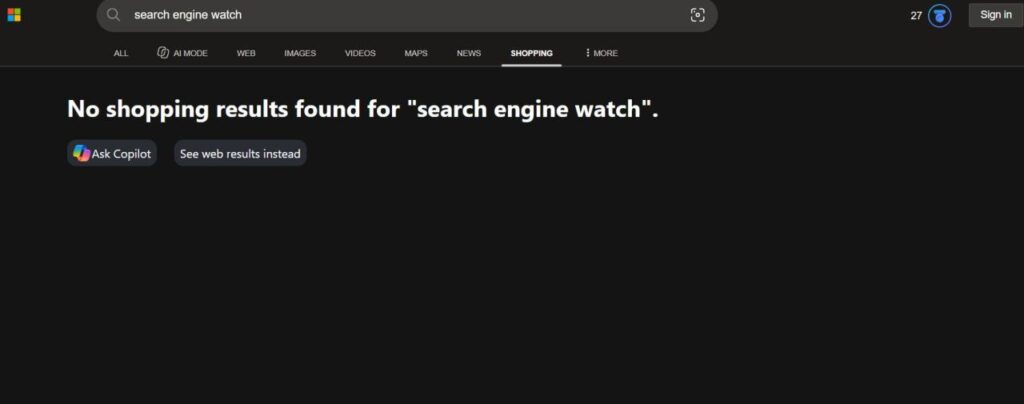
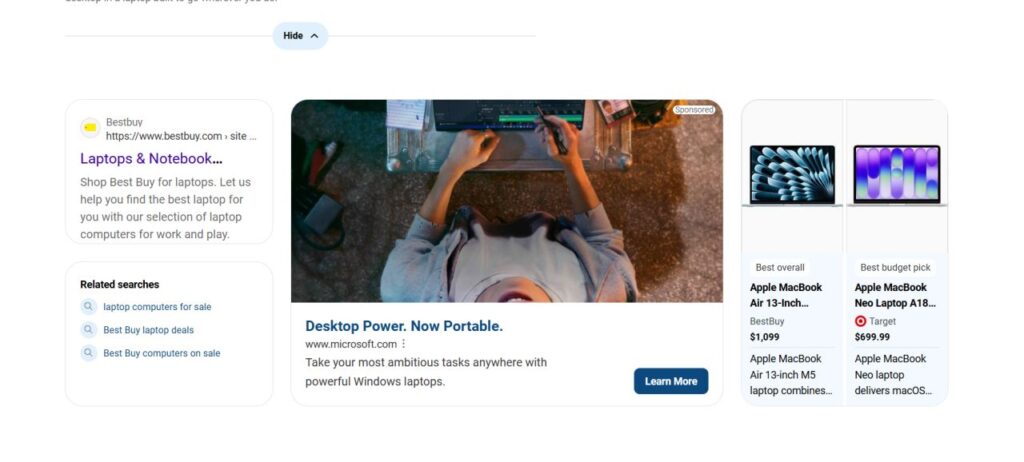
Bing’s Shopping tab now offers an Ask Copilot button when no products match.

The empty results page shows two options: Ask Copilot and See web results instead. Ask Copilot opens Copilot.com in a new tab. Users who aren't signed in must log in with a Microsoft account first. The other option sends them to regular Bing web results. Microsoft hasn't announced the change, so there's no word yet

Bing’s Shopping tab now offers an Ask Copilot button when no products match. Read More »

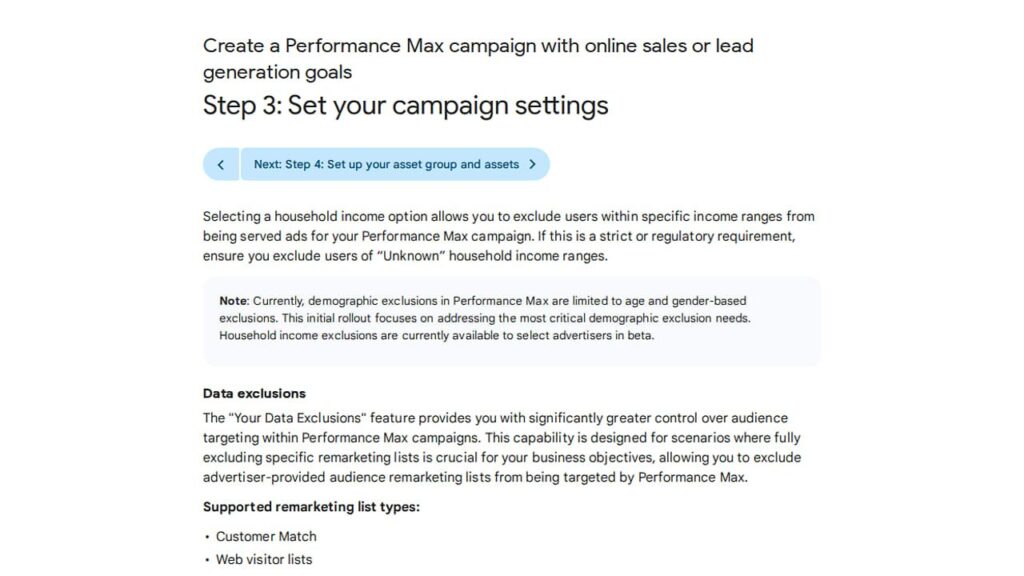
You can now exclude household income ranges in Performance Max.

Until now, PMax demographic exclusions covered only age and gender. This is a beta, so only select advertisers have it. Countries include the United States, Australia and Japan. Watch out: if the exclusion is a strict or regulatory requirement, also exclude the "Unknown" income range. Spotted by Hana Kobzová, via PPC News Feed.

You can now exclude household income ranges in Performance Max. Read More »

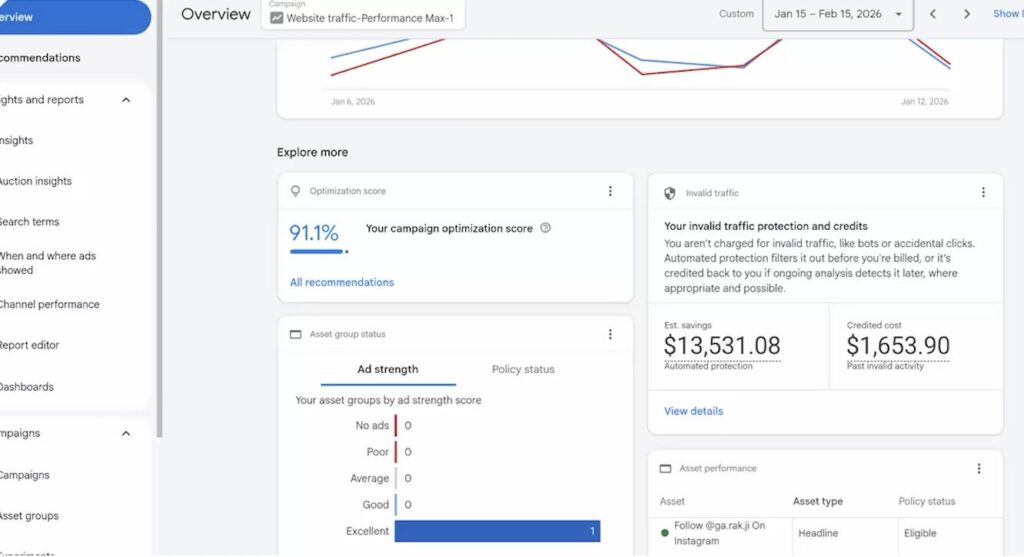
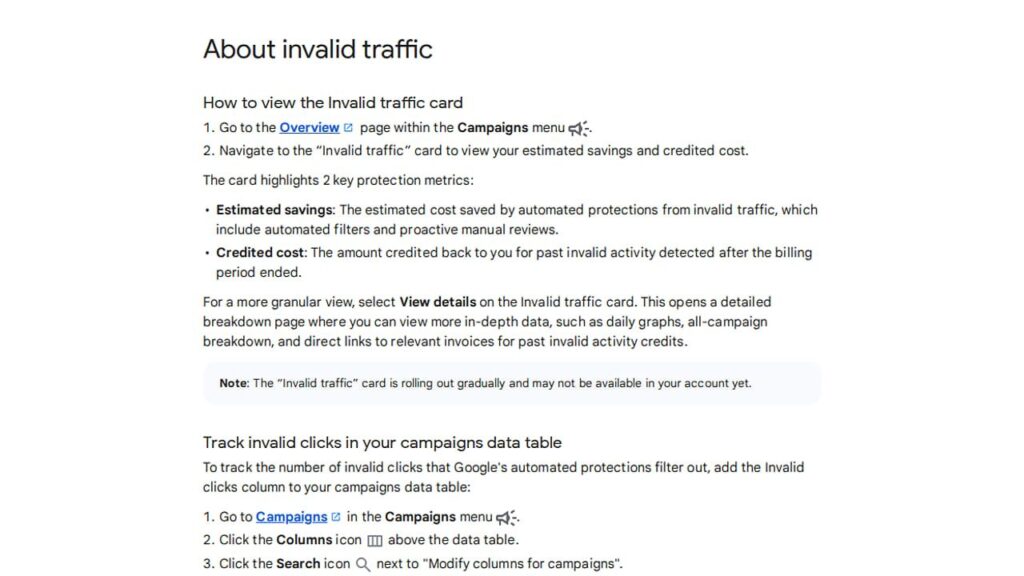
Your Google Ads Overview page now shows what invalid traffic cost you.

The new Invalid Traffic card has two numbers: Estimated Savings, the cost automated protections kept you from paying Credited Cost, money returned for invalid activity found after the billing period You also get daily graphs and a campaign breakdown, with links to the invoices that carry the credits. The rollout is gradual, so the card

Your Google Ads Overview page now shows what invalid traffic cost you. Read More »

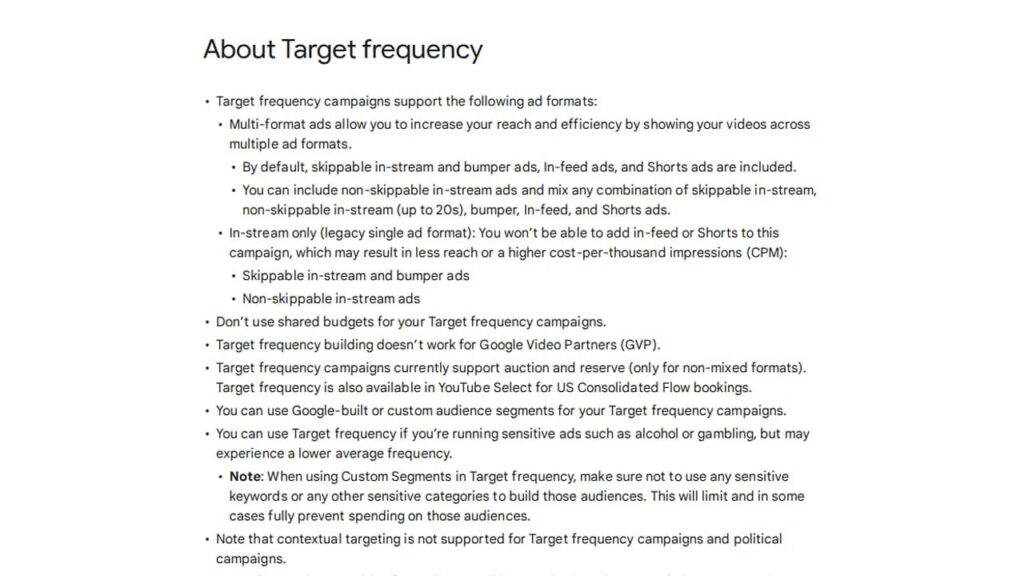
Target frequency campaigns can now mix non-skippable ads with Shorts and other formats

What changed Until now, choosing non-skippable in-stream in a target frequency campaign switched off the other formats. Now you can run skippable in-stream, bumper, in-feed and Shorts next to non-skippable ads in one campaign. What it means for your account If you split formats over several campaigns just to keep non-skippable ads, you can now

Target frequency campaigns can now mix non-skippable ads with Shorts and other formats Read More »

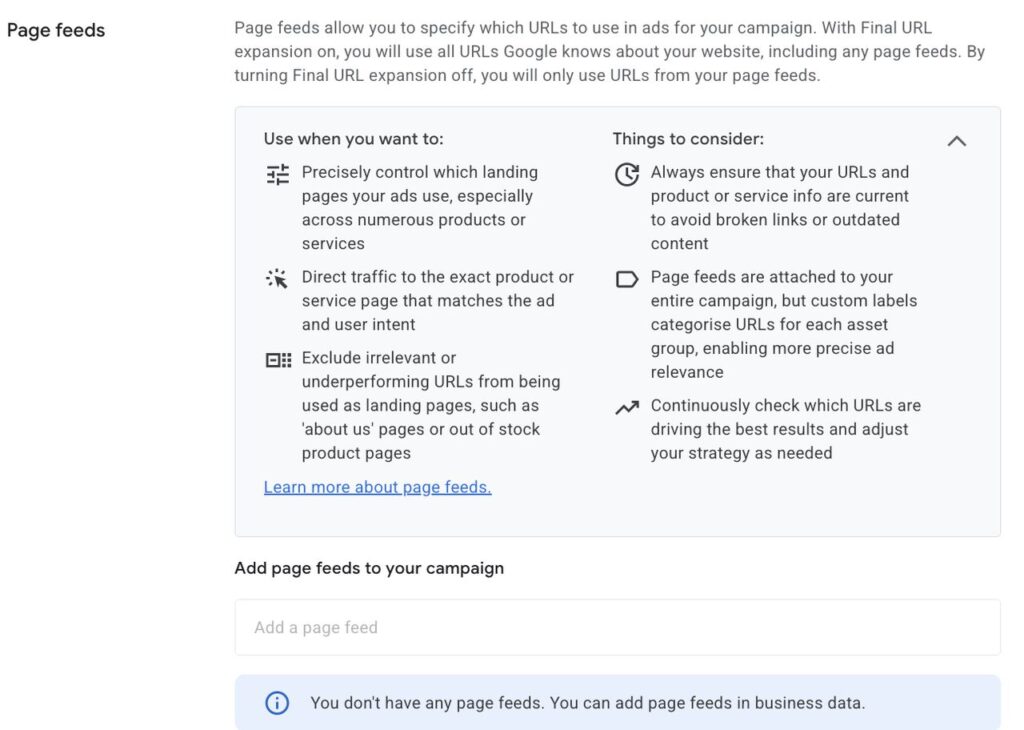
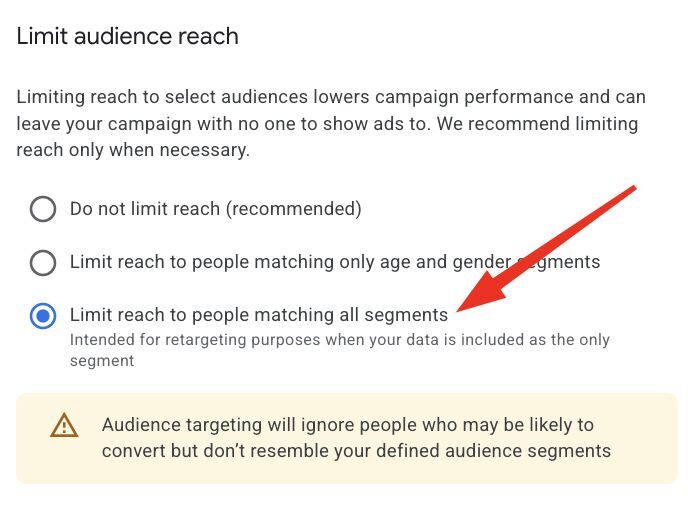
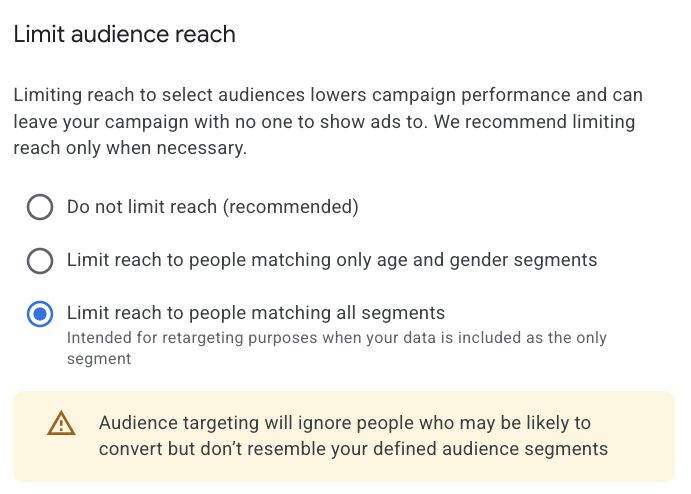
Google Ads replaced the Optimized Targeting on/off switch with a new setting

What changed The simple on/off toggle for optimized targeting is gone from the campaign settings. It has been replaced by a new setting with more than two choices. What it means for your account Optimized targeting decides how far Google may go beyond the audiences you picked. If you had it switched off on purpose,

Google Ads replaced the Optimized Targeting on/off switch with a new setting Read More »

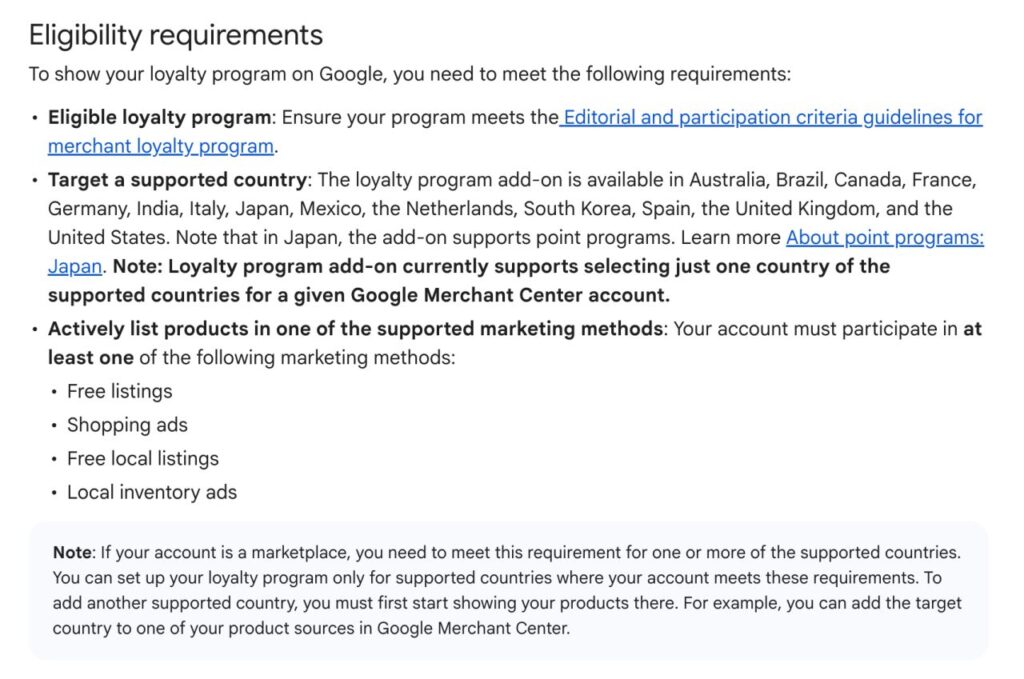
Your Merchant Center loyalty program now has three clear eligibility rules

What changed To show your loyalty program on Google, you need all three: Watch out: you can only select one supported country per Merchant Center account. In Japan, only point programs are supported. For marketplaces: you can only set up the program in countries where you already show products. To add a country, first add

Your Merchant Center loyalty program now has three clear eligibility rules Read More »

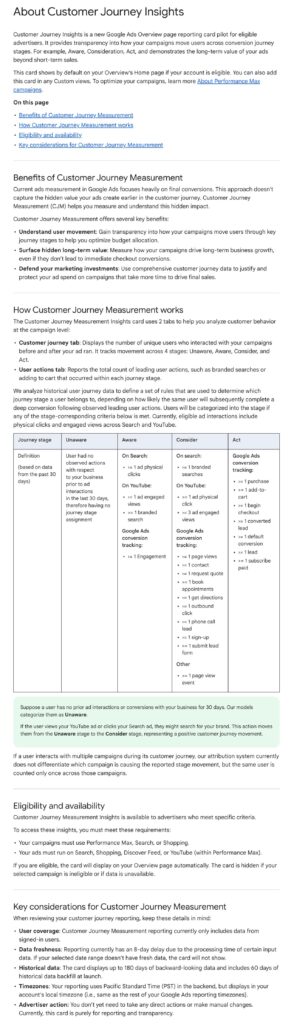
Your Google Ads Overview page can now show how campaigns move users through the funnel

What changed Google is piloting a card called Customer Journey Insights, for eligible advertisers only. If your account qualifies, it shows by default on the Overview page. You can also add it to any custom view. The card has two tabs: It only works for Performance Max, Search and Shopping campaigns. Ads must run on

Your Google Ads Overview page can now show how campaigns move users through the funnel Read More »

Demand Gen optimized targeting now has three options instead of on/off

What changed Arpan Banerjee found that the optimized targeting setting in Demand Gen campaigns has changed from a simple switch to three options. In Google Ads Editor the old setting is still available. What it means for your account Optimized targeting decides how far Demand Gen may show your ads outside the audiences you chose.

Demand Gen optimized targeting now has three options instead of on/off Read More »

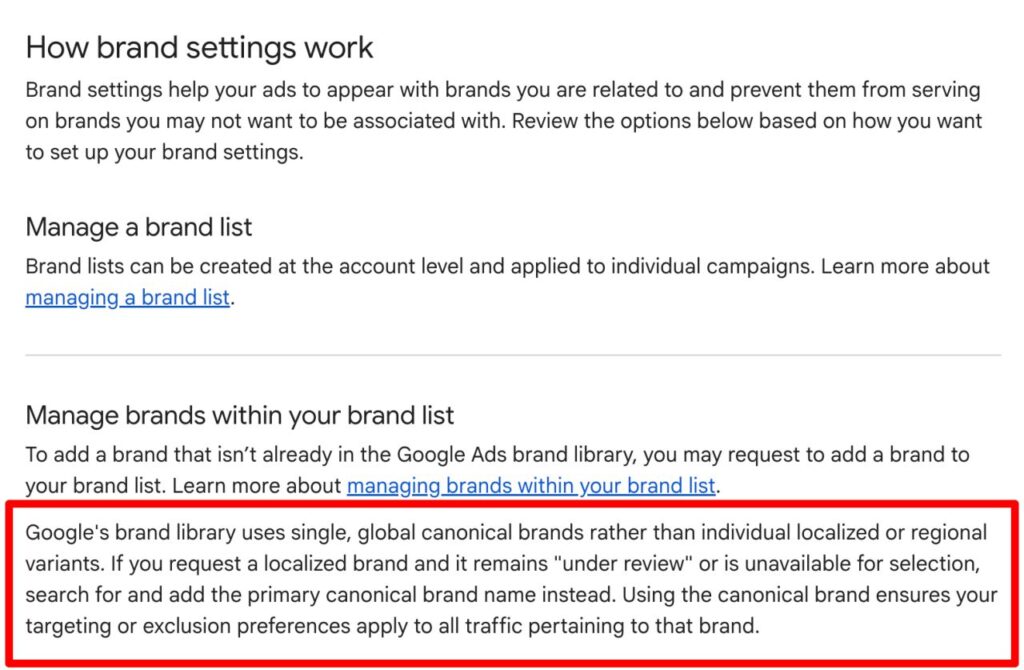
Google Ads brand lists only work with global brands, not local variants

What changed Google added this to its brand settings help page. If a localized brand stays “under review” or can’t be selected, add the main canonical brand name instead. That way your brand inclusions for Search and your brand exclusions for Search and Performance Max apply to all traffic for that brand. What it means

Google Ads brand lists only work with global brands, not local variants Read More »

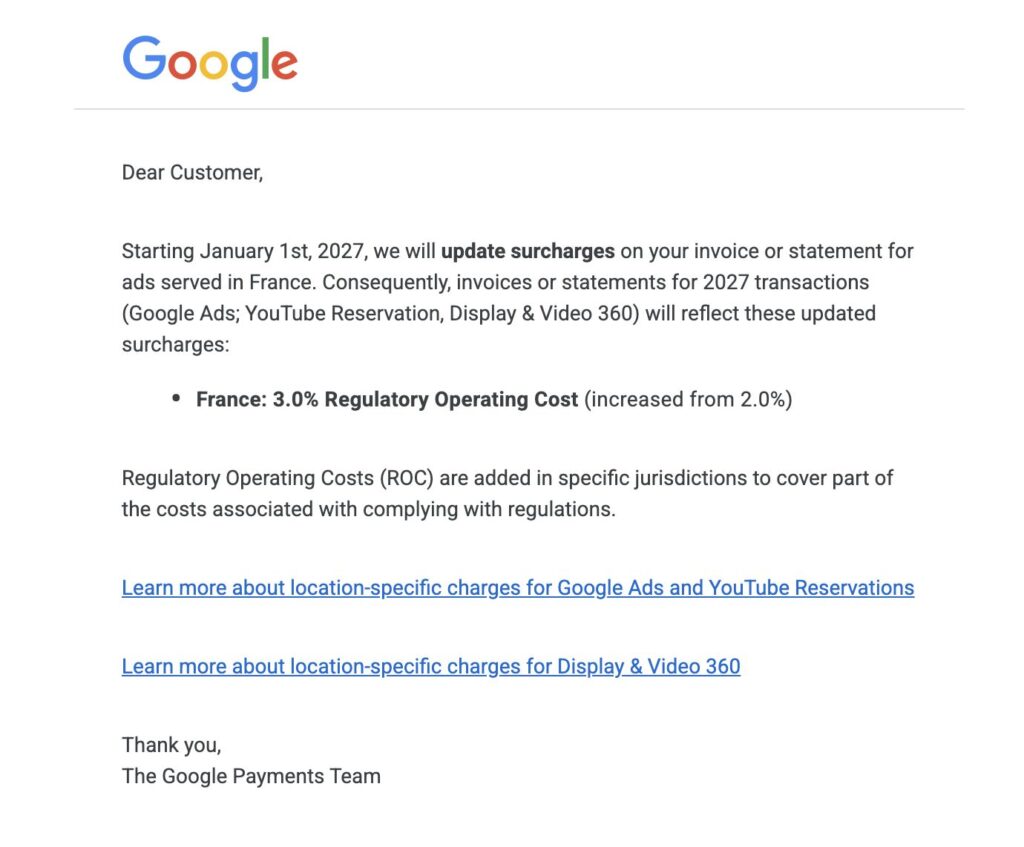
Google Ads is changing its Regulatory Operating Costs surcharges in France, Italy and Türkiye

What changed Google is changing the Regulatory Operating Costs (ROC) surcharge in three markets: The fee depends on where the ads are served, not on where the advertiser is based. What it means for your account This surcharge comes on top of your ad spend and does not show up in your CPC or ROAS

Google Ads is changing its Regulatory Operating Costs surcharges in France, Italy and Türkiye Read More »

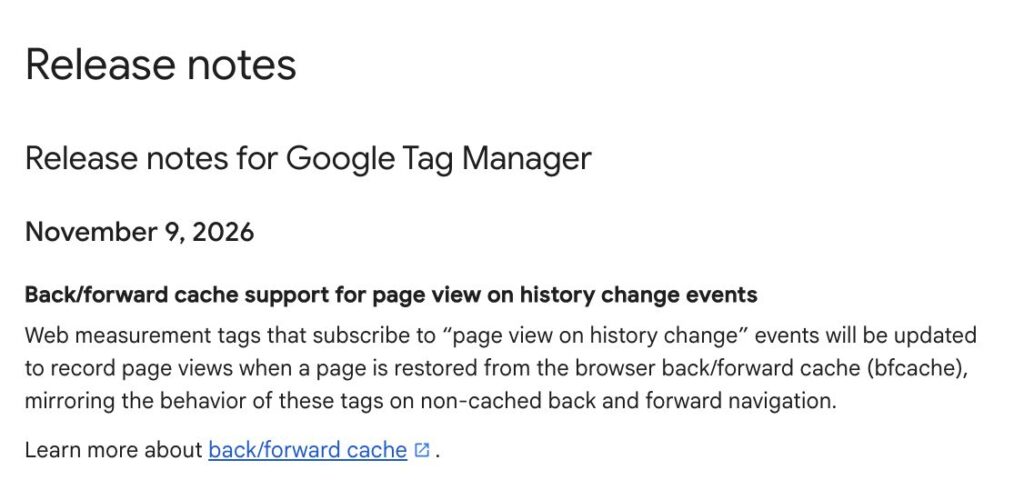
Google tags will record page views when a page is restored from the back/forward cache

What changed Web measurement tags that listen to “page view on history change” events will now also record a page view when a page is restored from the browser back/forward cache (bfcache). That matches how these tags already behave on normal back and forward navigation. What it means for your account When a visitor uses

Google tags will record page views when a page is restored from the back/forward cache Read More »

You can now claim your business in ChatGPT and see the clicks it sends.

OpenAI launched Business Hub, in beta. Once you verify your connection to the business, you can update its details and supply product feeds with prices and availability. What the dashboard shows: mentions and website clicks over the past 28 days discovery topics from conversations that cite your site Eligible US ecommerce and online service businesses

You can now claim your business in ChatGPT and see the clicks it sends. Read More »

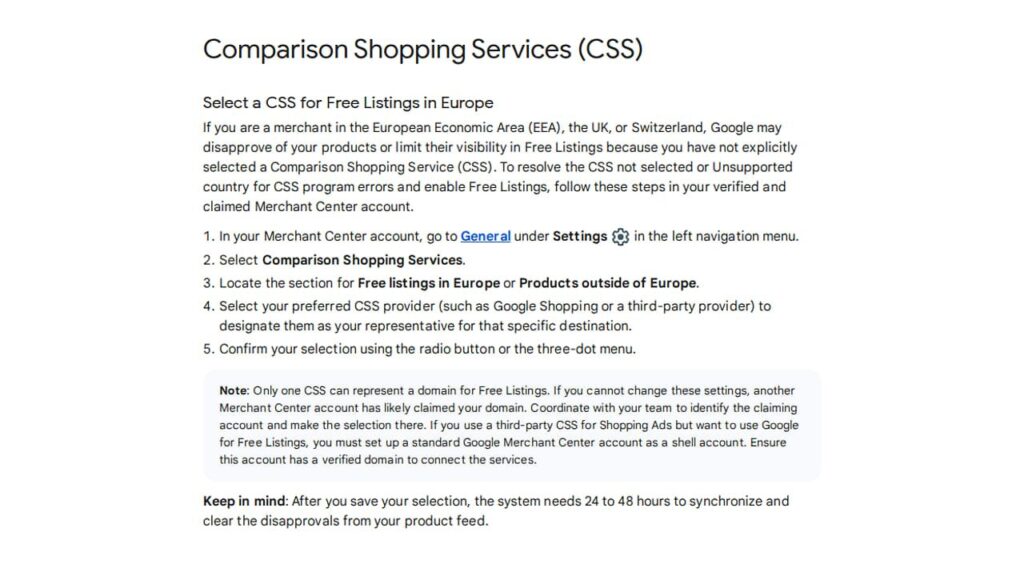
Your free listings in Europe may get disapproved without a chosen CSS.

This applies to merchants in the EEA, UK and Switzerland. If you haven't explicitly picked a Comparison Shopping Service, products can be disapproved or show less often. Where to set it: Settings, General, Comparison Shopping Services, Free Listings in Europe You choose between Google Shopping or a third-party CSS. Only one CSS can represent a

Your free listings in Europe may get disapproved without a chosen CSS. Read More »

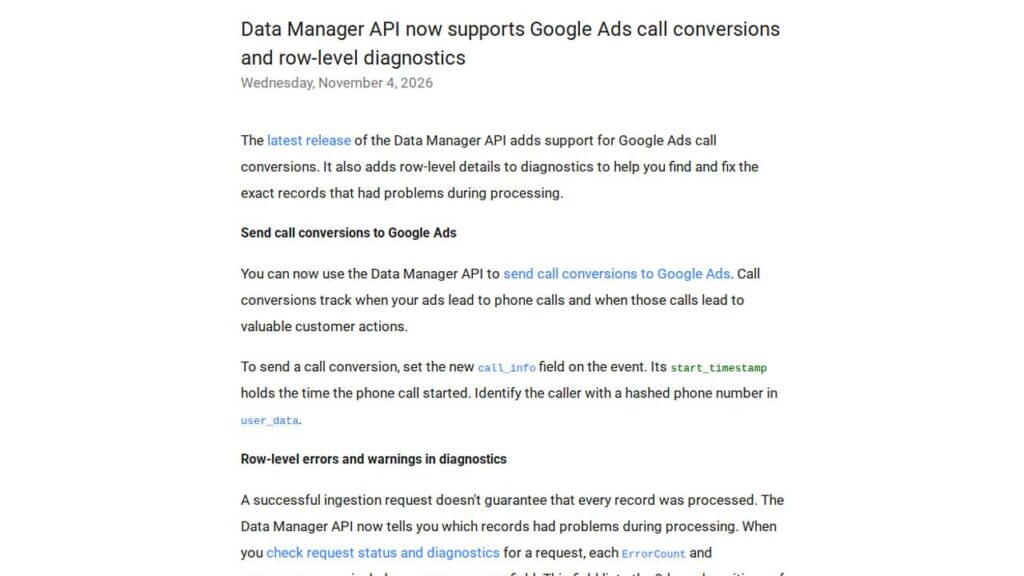
You can now send Google Ads call conversions through the Data Manager API.

Set the new call_info field on an event. It records when the call started and identifies the caller with a hashed phone number. Diagnostics also got more precise. ErrorCount and WarningCount now include record_indices, so you can see exactly which records had problems and fix them. There is a new lead_id field too, for sending

You can now send Google Ads call conversions through the Data Manager API. Read More »

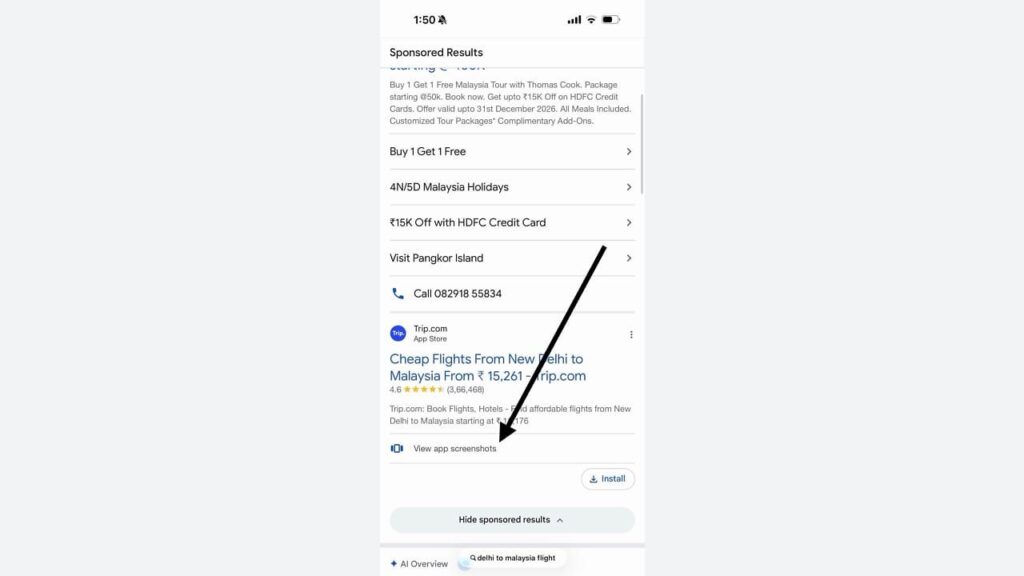
Google is testing a “View app screenshots” link in app install ads on mobile…

Users can look at screenshots of your app straight from the ad, before they decide to install. Google confirms App campaigns can pull content from app store listings automatically. It's not clear where this format gets its screenshots from, or whether the test is limited to a few users. Spotted by Arpan Banerjee, via Hana

Google is testing a “View app screenshots” link in app install ads on mobile… Read More »

From December 1, Demand Gen manages Display targeting only at ad group level.

The week of December 1, 2026, the campaign-level Display switch (target_content_network) can no longer be set to false. Doing so in the Google Ads API returns an OPERATION_NOT_PERMITTED_FOR_CONTEXT error. Serving behavior for new campaigns stays the same, because ad group channel controls keep Display off by default. Existing campaigns with Display off get converted automatically.

From December 1, Demand Gen manages Display targeting only at ad group level. Read More »