Marketing

Myths vs Reality in Google Ads

Most Google Ads accounts don’t fail because of the platform. They fail because of bad assumptions. Here are a few I still see in 2026: → “Smart bidding = set & forget”→ “Broad match doesn’t work”→ “More budget = more results”→ “PMax replaces everything”→ “High impressions = good performance” All of these sound logical. All […]

Myths vs Reality in Google Ads Read More »

Update to Gambling and Games Policy: Alberta, Canada

Google has announced an update to its Gambling and Games policy, allowing online gambling ads in Alberta, Canada, starting May 4, 2026. The change permits advertising from operators authorized by the Alberta Gaming, Liquor and Cannabis Commission. What’s allowed Lotteries: Must be run by government entities or federally licensedSports betting, online casinos, fantasy sports: Must

Update to Gambling and Games Policy: Alberta, Canada Read More »

Google Introduces AI-Qualified Call Leads

Google Introduces AI-Qualified Call Leads (April 21, 2026) Google has introduced AI-qualified call leads in Google Ads, enhancing how call campaign performance is measured. Instead of relying mainly on call duration, the system now uses AI to assess the quality of calls and identify valuable leads. The feature filters out low-value interactions such as spam

Google Introduces AI-Qualified Call Leads Read More »

đź›’ How people think Google Merchant Center works vs. reality

Many advertisers still treat Merchant Center as a “set it and forget it” tool. Upload a feed → connect Google Ads → sales start coming in. But in 2026, Merchant Center has evolved into something much bigger. It’s no longer just a product feed. It’s a product data engine that directly impacts performance, scaling, and

🛒 How people think Google Merchant Center works vs. reality Read More »

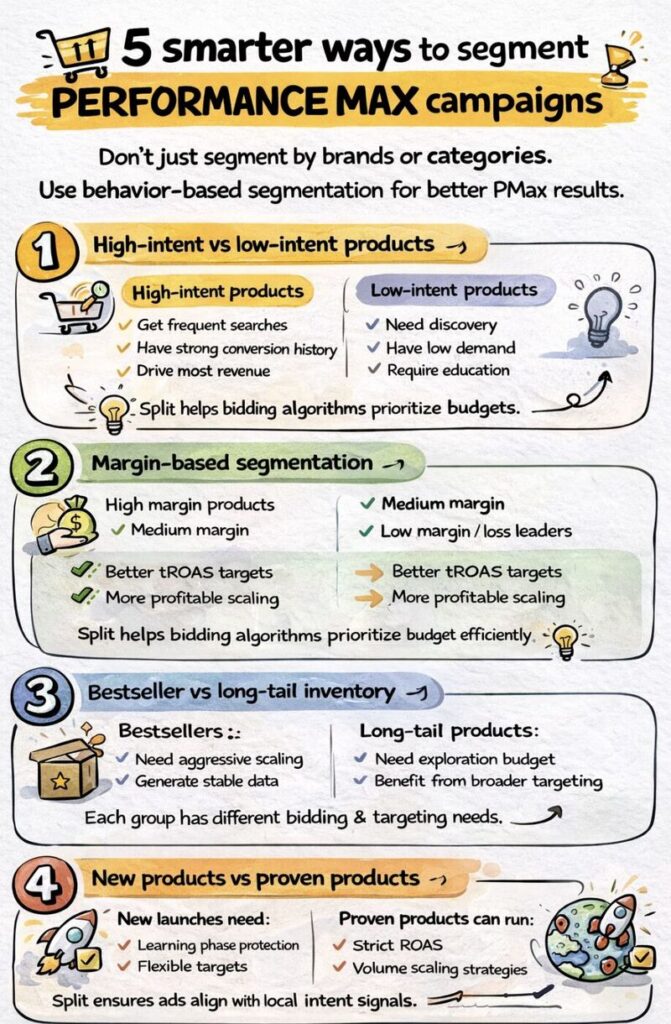
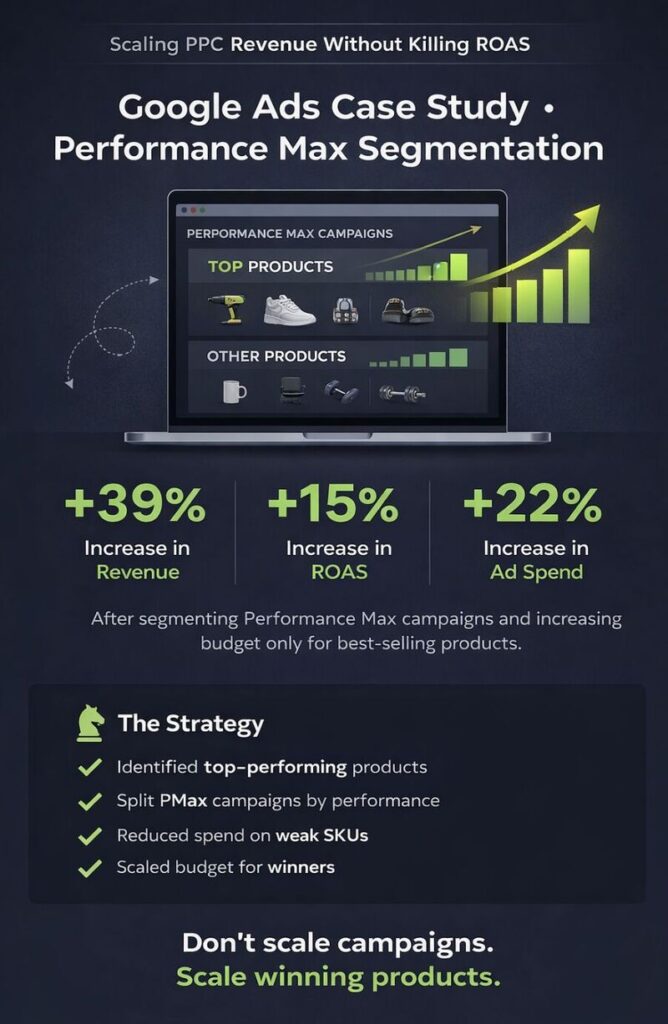
🎯 Most advertisers still segment Performance Max the wrong way

I often see PMax campaigns structured like this: • One campaign for all products• Or segmentation only by brand or category• Or random asset group splits But Performance Max doesn’t optimize around structure. It optimizes around signals and behavior. That’s why smarter advertisers segment based on how products actually perform. Here are 5 high-impact ways

🎯 Most advertisers still segment Performance Max the wrong way Read More »

Insane Things You Can Do With YouTube Ads

Intent-Based Targeting – Reach people actively searching for solutionsSkippable In-Stream Ads – Pay only when users actually watch or engageCustom & Lookalike Audiences – Target warm users & find new high-value customersRemarketing Campaigns – Re-engage viewers who didn’t convertVideo Action Campaigns – Drive direct conversions from video adsShorts Ads – Capture attention fast with vertical

Insane Things You Can Do With YouTube Ads Read More »
New Customers vs Returning Customers

Most Google Ads accounts optimize for conversions… but they rarely separate new vs returning customers. That’s a mistake. Because the economics are completely different. New Customers • Higher CPA• Acquisition investment• Drives long-term growth Returning Customers • Lower CPA• Higher conversion rates• Higher lifetime value If you optimize campaigns without separating them, you can easily

New Customers vs Returning Customers Read More »

POAS vs ROAS

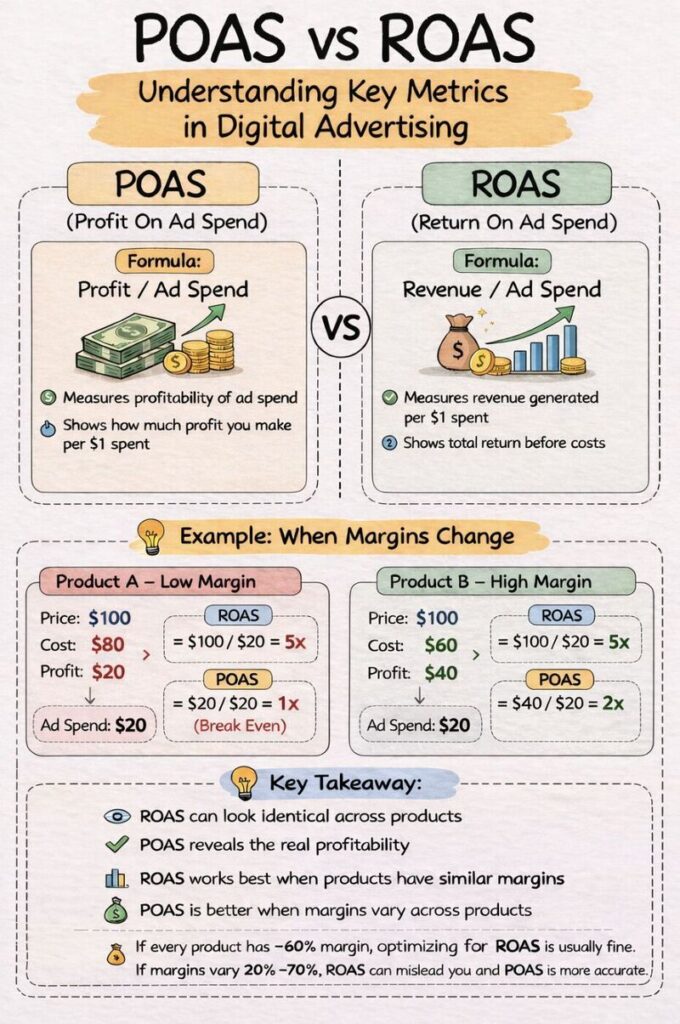
Most marketers optimize for ROAS. But ROAS can be misleading. Two products can show the same ROAS while having completely different profitability. Example: Product A Price: $100Cost: $80Profit: $20Ad spend: $20ROAS = 5xPOAS = 1x (break-even) Product B Price: $100Cost: $60Profit: $40Ad spend: $20ROAS = 5xPOAS = 2x Same ROAS. Very different profit. The takeaway:

POAS vs ROAS Read More »

The ideal ROAS

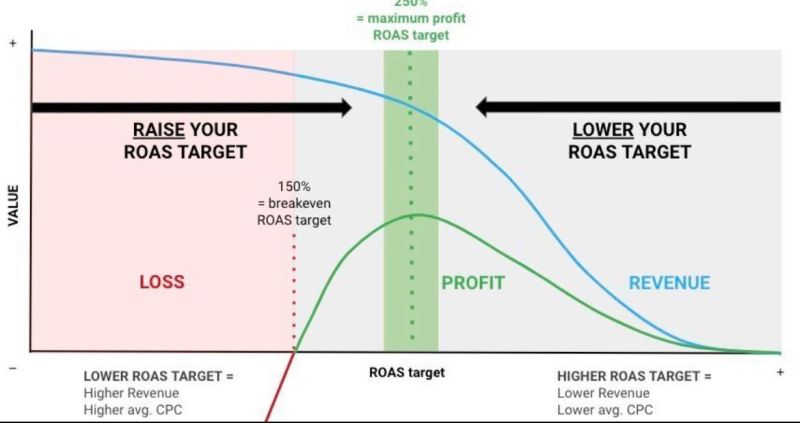
Great pictures from Producthero that shows that to set the ideal ROAS (Return on Ad Spend) target for your Google Ads, it’s essential to balance between profitability and revenue(or even better use POAS) Start by determining your breakeven point based on product margins—this sets the minimum ROAS to avoid losses. Then, use Google’s Bid Simulator

The ideal ROAS Read More »

Most landing pages don’t have a traffic problem!

They have a conversion problem You don’t need more visitors. You need more of them to BUY. Here’s what actually moves revenue: Your hero section decides everything If it’s unclear → they leave If it’s specific → they stay Confusion kills sales If people have to think, they don’t convert Proof beats persuasion Show results

Most landing pages don’t have a traffic problem! Read More »

How Enhanced Conversions Track Cross-Device Sales

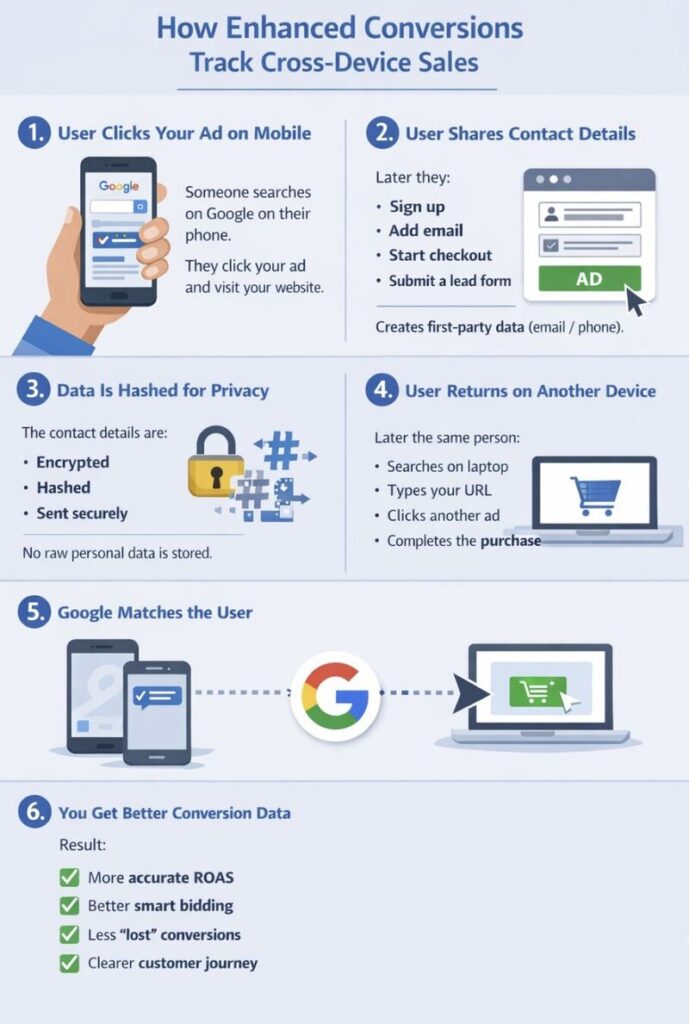
1. User Clicks Your Ad on Mobile Someone searches on Google using their phone.They click your ad and visit your website. 2. User Shares Contact Details Later they may:Sign upEnter their emailStart checkoutSubmit a lead formThis creates first-party data (like email or phone number). 3. Data Is Hashed for Privacy The contact details are:EncryptedHashedSent securelyNo

How Enhanced Conversions Track Cross-Device Sales Read More »

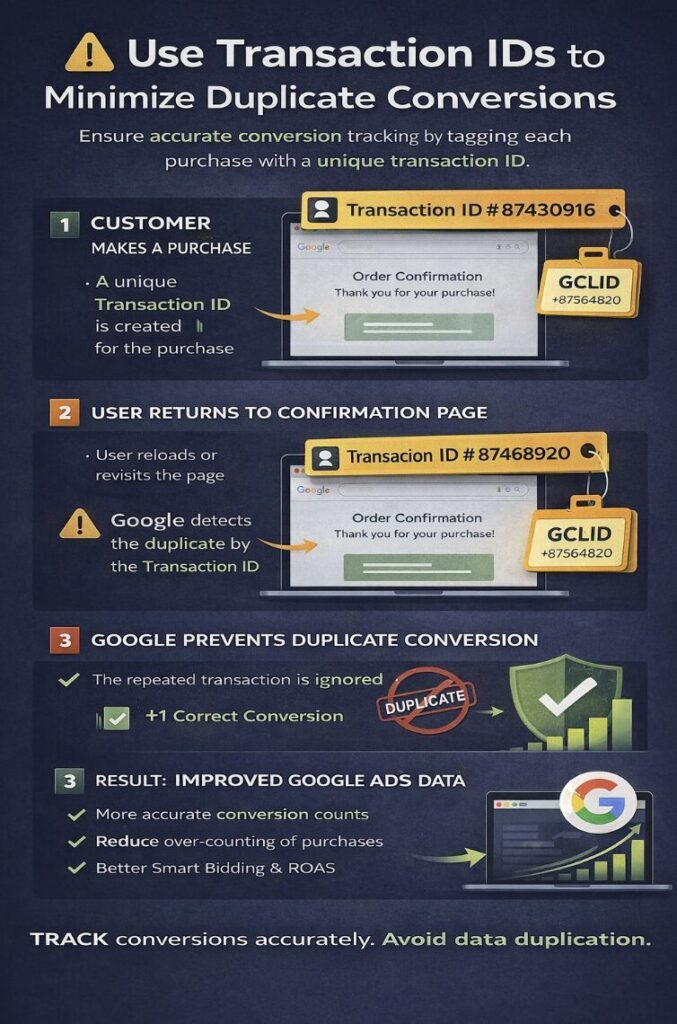
Use Transaction IDs to Minimize Duplicate Conversions

Most advertisers focus on getting more conversions. Few focus on making sure those conversions are counted correctly. If you track purchases in Google Ads without using a transaction ID, your data may be wrong. Here’s why. When a customer completes a purchase, they land on the confirmation page where the conversion tag fires. But users

Use Transaction IDs to Minimize Duplicate Conversions Read More »

Smarter Optimization Approach

Stop Optimizing Campaigns in Isolation Start Thinking in Portfolios Many advertisers still manage campaigns individually… But smart growth comes from using Portfolio Bid Strategies. When campaigns share data, automation becomes stronger, learning becomes faster, and performance becomes more stable. Here’s why portfolio bidding matters: ✅ Combines data across campaigns → Stronger signals & faster optimization✅

Smarter Optimization Approach Read More »

💰 Big Budgets vs Small Budgets 

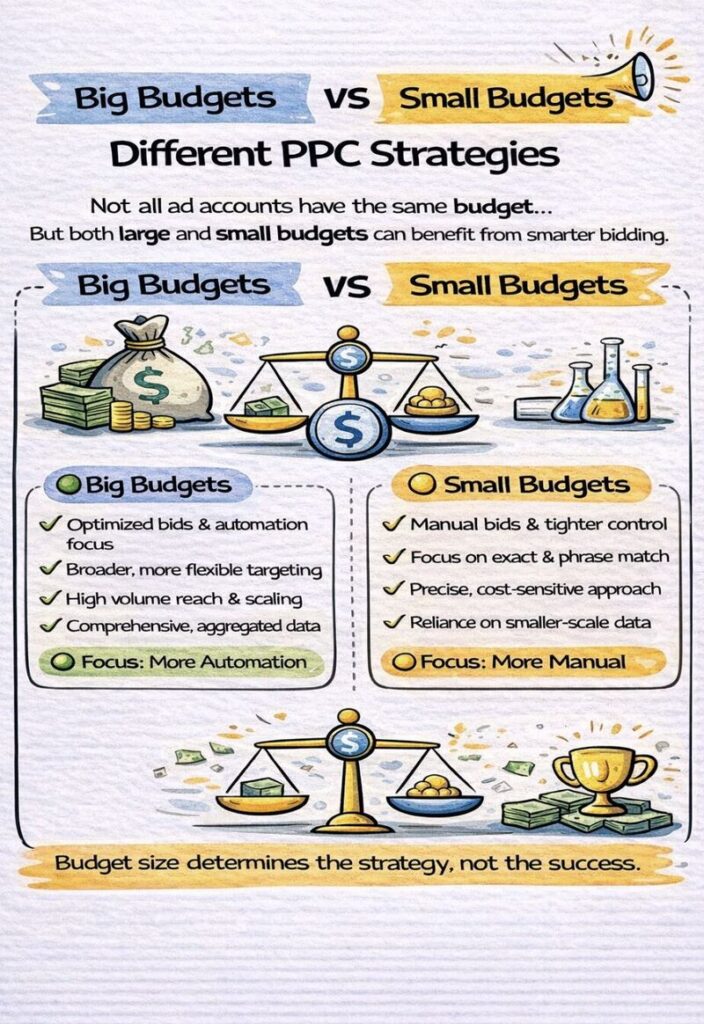
Big Budgets vs Small Budgets Different PPC Strategies Not all ad accounts have the same budget… But budget size should shape your strategy, not limit your success. Here’s the real difference 🔵 Big Budgets• Can rely more on automated bidding strategies• Broader targeting and match types (including broad match)• Faster learning thanks to higher conversion

💰 Big Budgets vs Small Budgets  Read More »

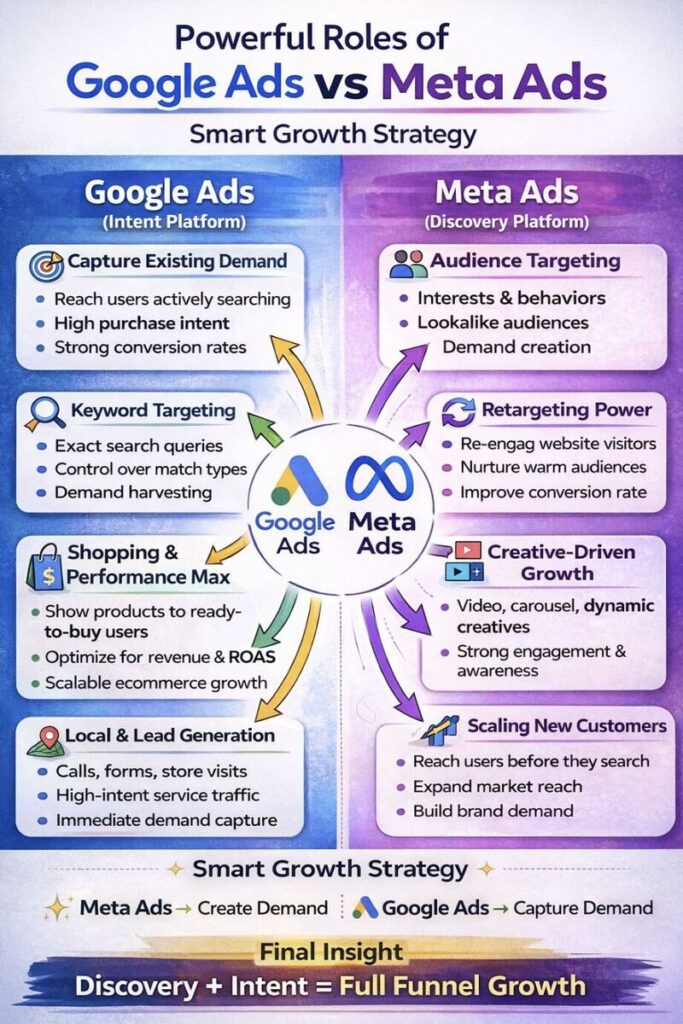
Google Ads vs Meta Ads

Powerful Roles of Google Ads vs Meta Ads: Google Ads (Intent Platform) Capture Existing Demand Reach users actively searching High purchase intent Strong conversion rates Keyword Targeting Exact search queries Control over match types Demand harvesting Shopping & Performance Max Show products to ready-to-buy users Optimize for revenue & ROAS Scalable ecommerce growth Local &

Google Ads vs Meta Ads Read More »
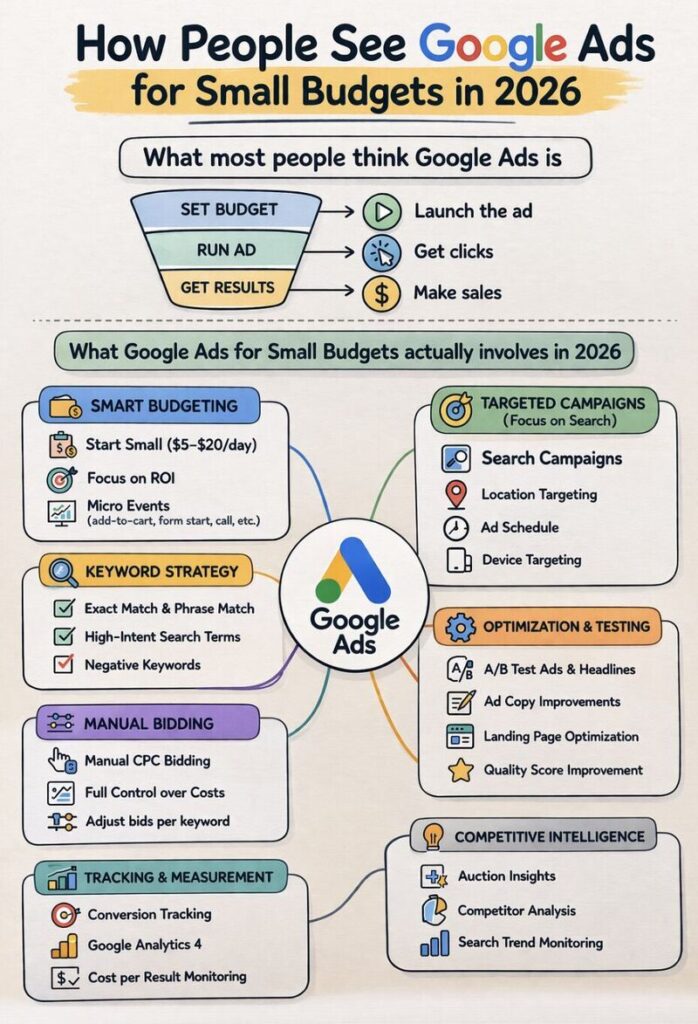
How People See Google Ads for Small Budgets in 2026

What most people think Google Ads is – Create ad– Get clicks– Make sales What Google Ads for Small Budgets actually involves in 2026 đź’° Smart Budgeting – Start small ($5–$20/day)– Focus on ROI (not just traffic)– Track micro conversions (form start, call click, add-to-cart)– Set daily budget limits 🔎 Targeted Campaigns (Focus on Search)

How People See Google Ads for Small Budgets in 2026 Read More »

Google Ads news week 16 sponsored by ProfitMetrics.io

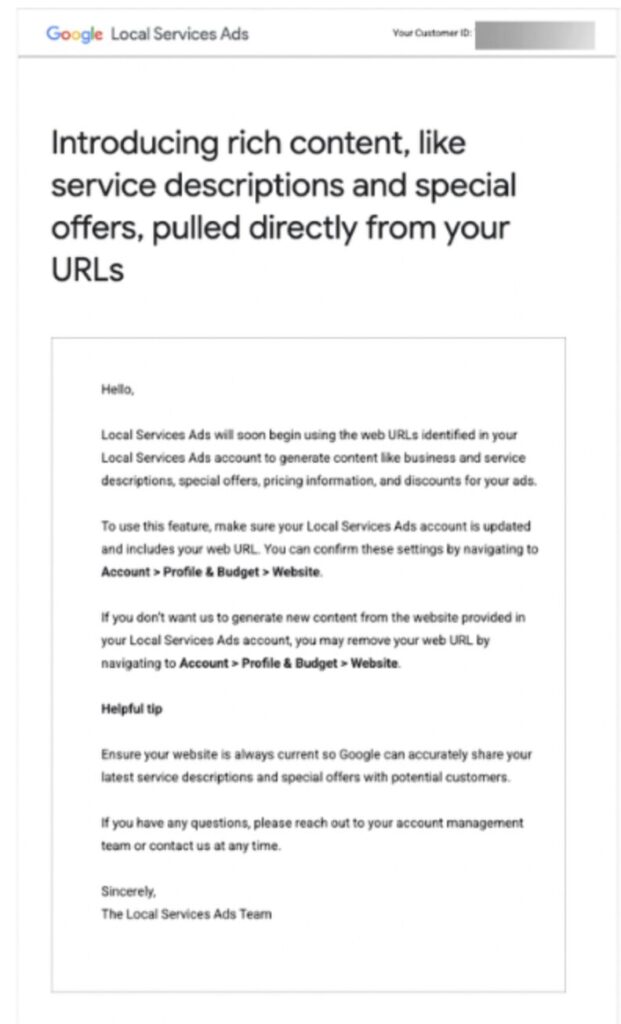
Consent update: https://lnkd.in/ey4MWGGYAd disapprovals: https://lnkd.in/ef4eCEztNew 2026 Attributes: https://lnkd.in/ezeVQX4x2026 Ebarometer: https://lnkd.in/eEHvtniqR.I.P. DSA – Welcome AI Max: https://lnkd.in/eiePfkxQDisplay & Video 360 API: https://lnkd.in/e2yZTQWYSet up in Google Tag Manager: https://lnkd.in/exqv-2-TBulk action: https://lnkd.in/euw4ckuhChannel insights error: https://lnkd.in/eHTcXzc9Ads scam alert: https://lnkd.in/eerKX5efTag Away: https://lnkd.in/eHbmgnuJAI: https://lnkd.in/eKK8FkZMReal-time: https://lnkd.in/edXChUUcMessage assets: https://lnkd.in/egbgZFWjImmersive Map View: https://lnkd.in/eqjFFaehStreamlining content suitability: https://lnkd.in/eeSsb-z6Content policy: https://lnkd.in/eeSsb-z6GPT Ads: https://lnkd.in/eQJv7z2WAds API: https://lnkd.in/e-8ZWRGZLSA Rich Content

Google Ads news week 16 sponsored by ProfitMetrics.io Read More »

đź§  How People See Claude AI in 2026

What most people think Claude is STAGE 1Ask a question STAGE 2Get an answer STAGE 3Done ⚙️ What Claude AI actually involves in 2026 📊 Prompting & ContextAdvanced prompt engineeringSystem prompts & role settingContext windows & memory usageMulti-step reasoning promptsIteration & refinement loops 🎯 Use Case StrategyContent creation (ads, blogs, scripts)Customer support automationCoding & debugging

🧠 How People See Claude AI in 2026 Read More »

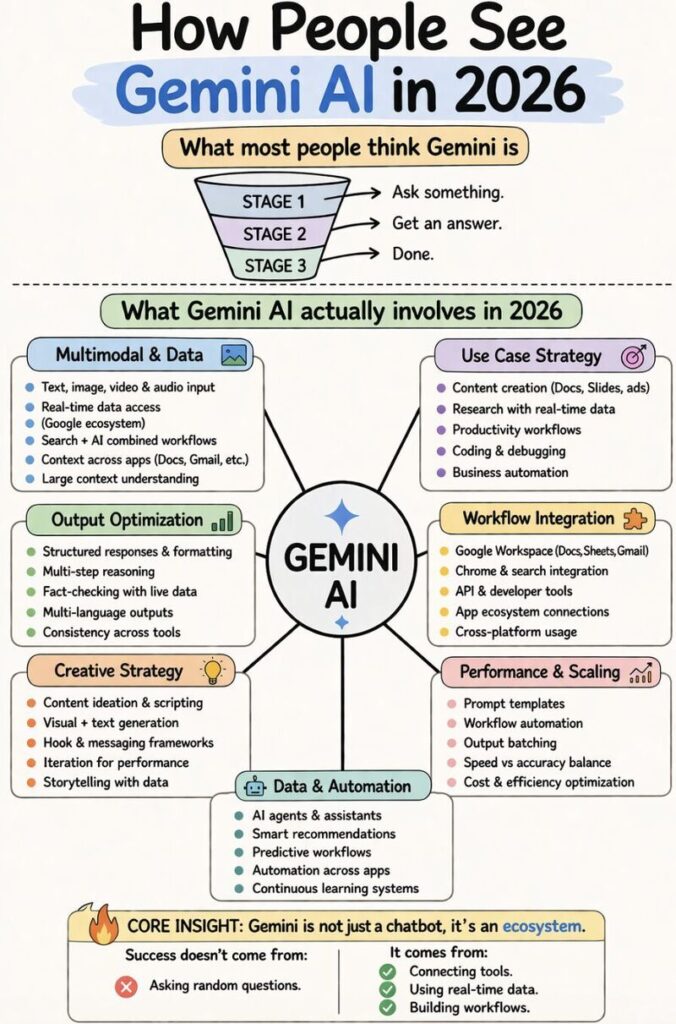
What most people think Gemini is

STAGE 1Ask something STAGE 2Get an answer STAGE 3Done ⚙️ What Gemini AI actually involves in 2026 📊 Multimodal & DataText, image, video & audio inputReal-time data access (Google ecosystem)Search + AI combined workflowsContext across apps (Docs, Gmail, etc.)Large context understanding 🎯 Use Case StrategyContent creation (Docs, Slides, ads)Research with real-time dataProductivity workflowsCoding & debuggingBusiness

What most people think Gemini is Read More »
How People See Conversion Tracking in 2026

Most people think conversion tracking is simple. Install a pixel → see conversions → done. Reality in 2026? It’s a full system. Conversion tracking today involves: • Defining what actually counts as a conversion• Mapping the full customer journey• Setting up server-side tracking (CAPI)• Fixing data quality issues• Understanding attribution (not just last click)• Connecting

How People See Conversion Tracking in 2026 Read More »
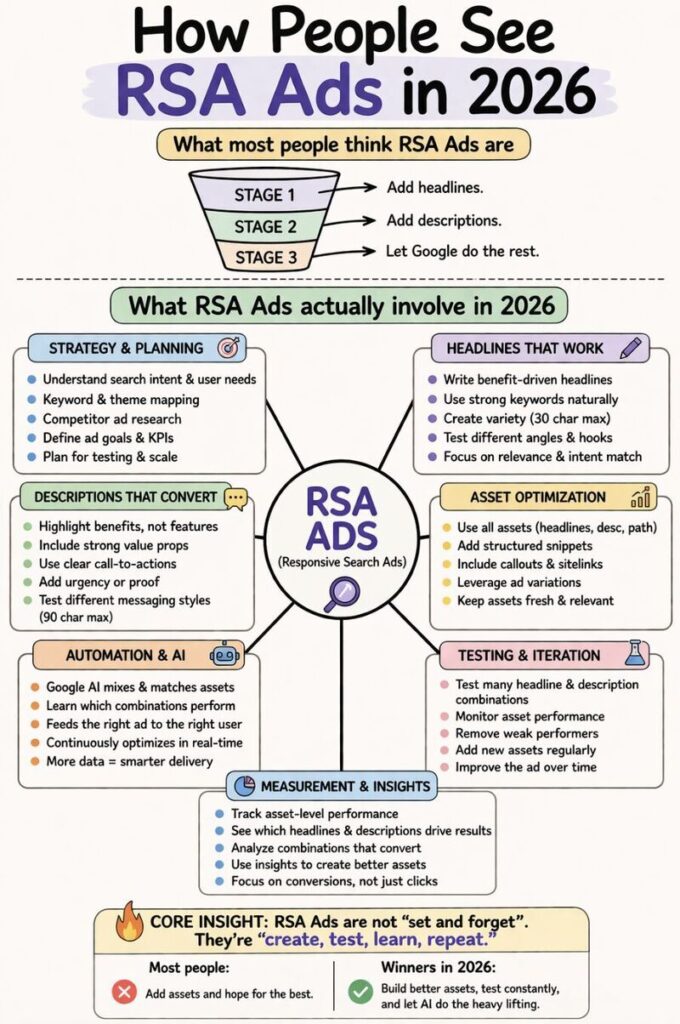
Most people think RSA Ads are simple

Add headlines → add descriptions → let Google do the rest. Reality in 2026? RSA Ads are a system. Winning with RSA today requires: • Understanding search intent (not just keywords)• Writing multiple high-quality headlines (not 2–3)• Testing different angles, hooks & messages• Matching ads perfectly to user intent• Continuously refreshing assets• Letting AI optimize

Most people think RSA Ads are simple Read More »

How People See Merchant Center in 2026

Most people think Google Merchant Center is simple. Upload products → run ads → get sales. Reality in 2026? Merchant Center is a system. Winning with Shopping today requires: • Clean, optimized product feeds• Strong product titles (keywords + intent)• High-quality images that stand out• Correct categorization & attributes• Competitive pricing & availability• Feed enrichment

How People See Merchant Center in 2026 Read More »

How people see Landing Pages in 2026

Most people think landing pages are simple. Make a page → send traffic → get conversions. Reality in 2026? Landing pages are a system. High-converting pages require: • A clear value proposition in seconds• Messaging that matches the ad• One focused goal (not 10 distractions)• Clean, mobile-first design• Strong trust signals (reviews, proof)• Fast load

How people see Landing Pages in 2026 Read More »
How People See Advertising in 2026

Most people think advertising is simple. Create an ad → run it → get sales. Reality in 2026? Advertising is a system. Winning with ads today requires: • A clear strategy (not random campaigns)• A strong offer that actually converts• Creatives that stop the scroll• Messaging that matches intent• Smart audience targeting• Continuous testing &

How People See Advertising in 2026 Read More »

How people see Google Tag Manager in 2026

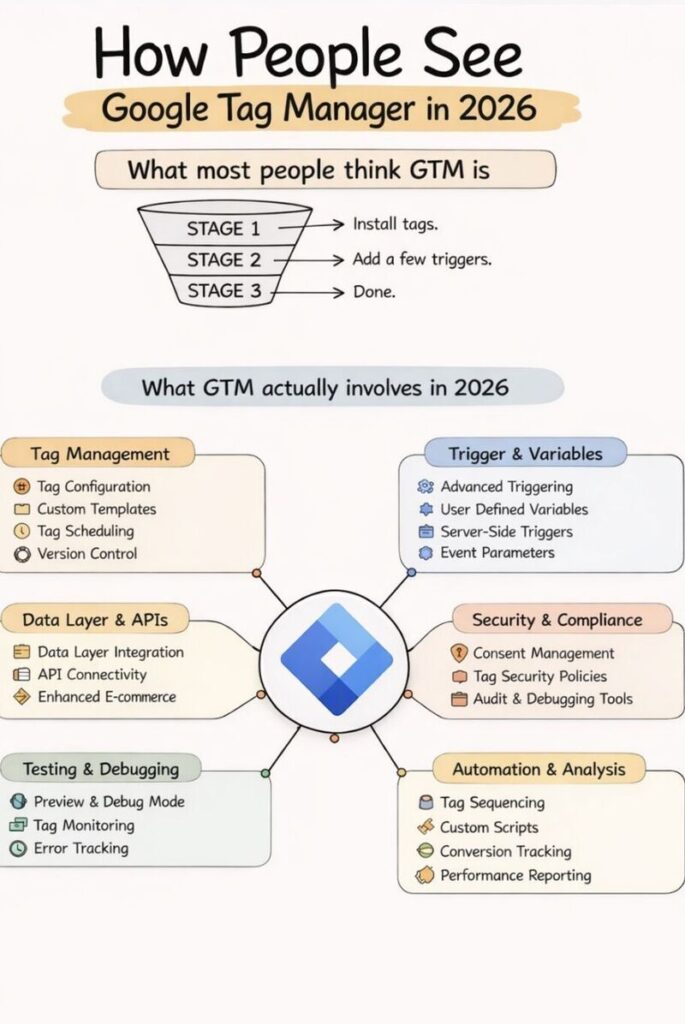
Most people think Google Tag Manager is simple: 👉 Install a few tags👉 Add some triggers👉 Done ✅ But in 2026, GTM is much more than that. It sits at the center of modern data strategy connecting marketing, analytics, privacy, and engineering. Today, GTM involves: 🔹 Advanced event tracking & data layer architecture🔹 Server-side tagging

How people see Google Tag Manager in 2026 Read More »
Big update from Google Data Studio 👇

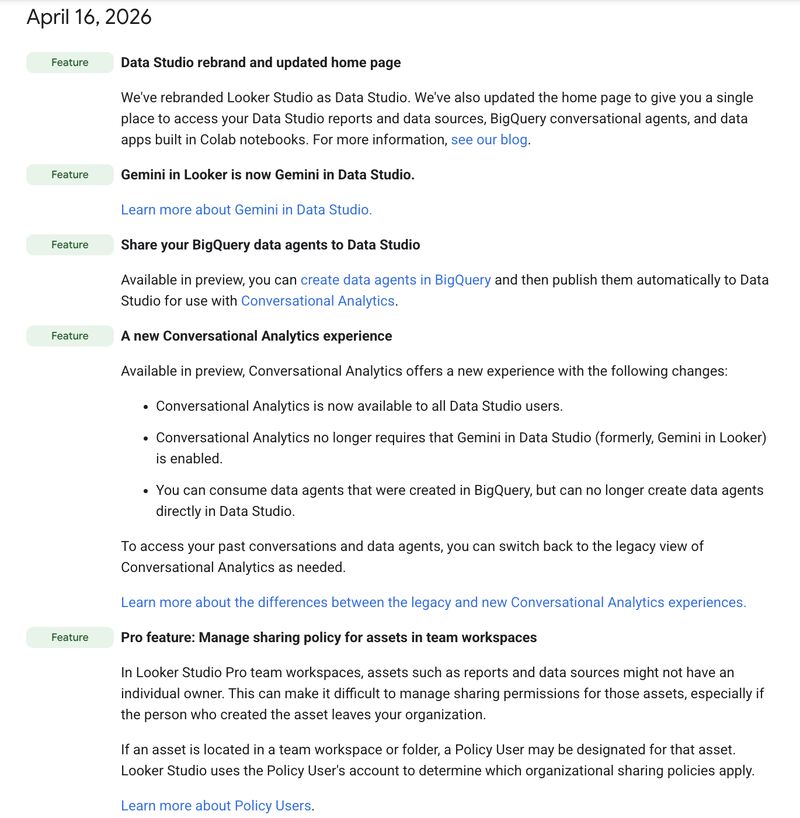
Looker Studio is now Data Studio, with a redesigned home bringing reports, data sources, BigQuery agents, and data apps into one place. Gemini is now integrated as Gemini in Data Studio and Conversational Analytics is now open to all users (no Gemini required). New Conversational Analytics experience (preview): • Use data agents from BigQuery• No

Big update from Google Data Studio 👇 Read More »

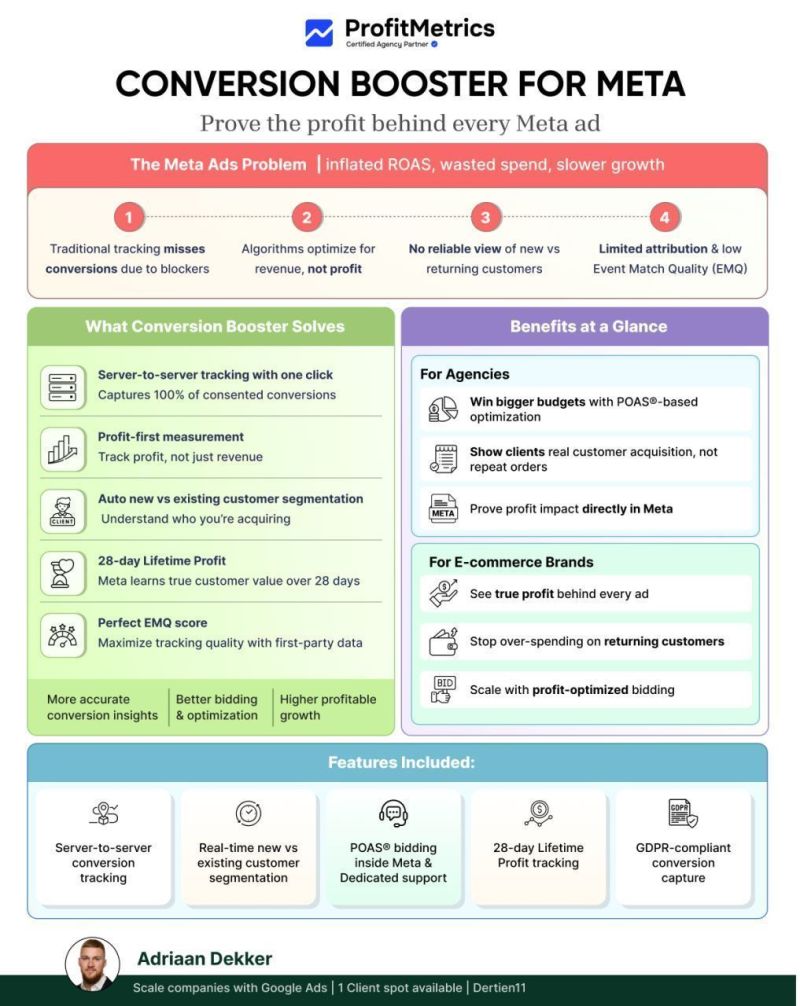
Meta ROAS is often inflated

Here’s why most Meta accounts aren’t actually optimizing for profit ↓ “Performance” in Meta usually means revenue. But revenue ≠ profit. That disconnect is where growth stalls. This is the real Meta Ads problem, in sequence: Tracking misses conversions Browser restrictions and blockers create blind spots. Your algorithm optimizes on incomplete data. Algorithms optimize for

Meta ROAS is often inflated Read More »

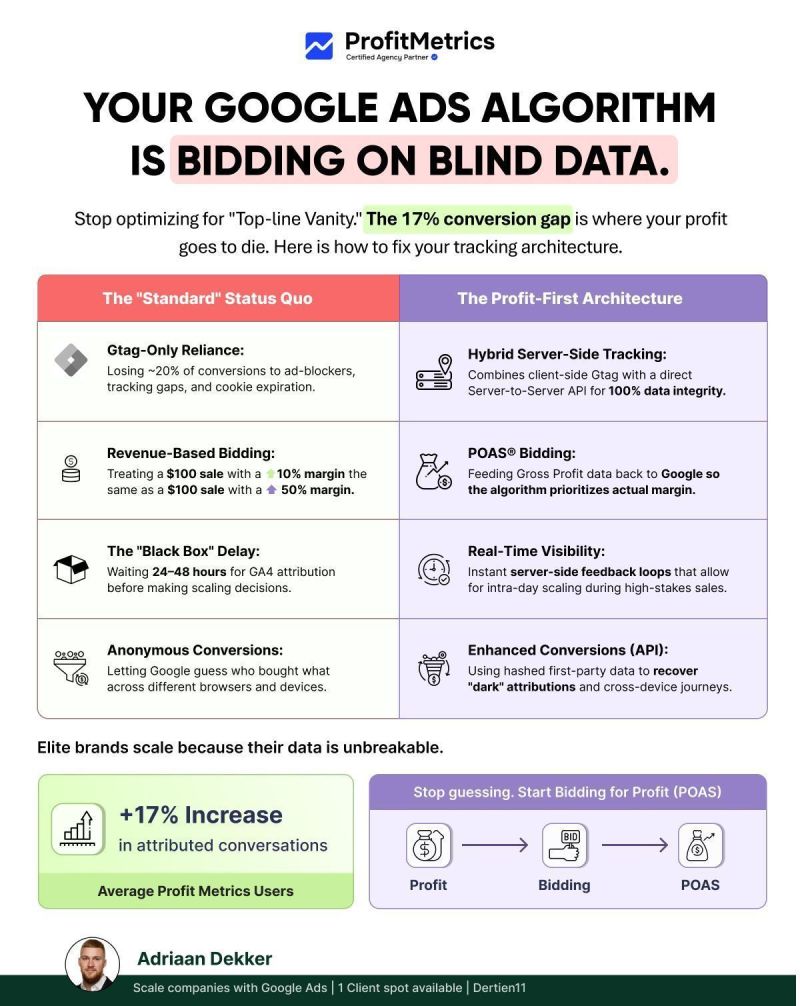
Your Google Ads Algorithm is Bidding on Blind Data

If you’re still relying only on browser pixels in 2026… You’re probably losing conversions. Missing data = confused algorithms = wasted ad spend. Server-side tracking can fix that. Instead of depending on the user’s browser, you send clean, verified conversion data directly from your server to Google and Meta. ✅ Higher match rates✅ More accurate

Your Google Ads Algorithm is Bidding on Blind Data Read More »

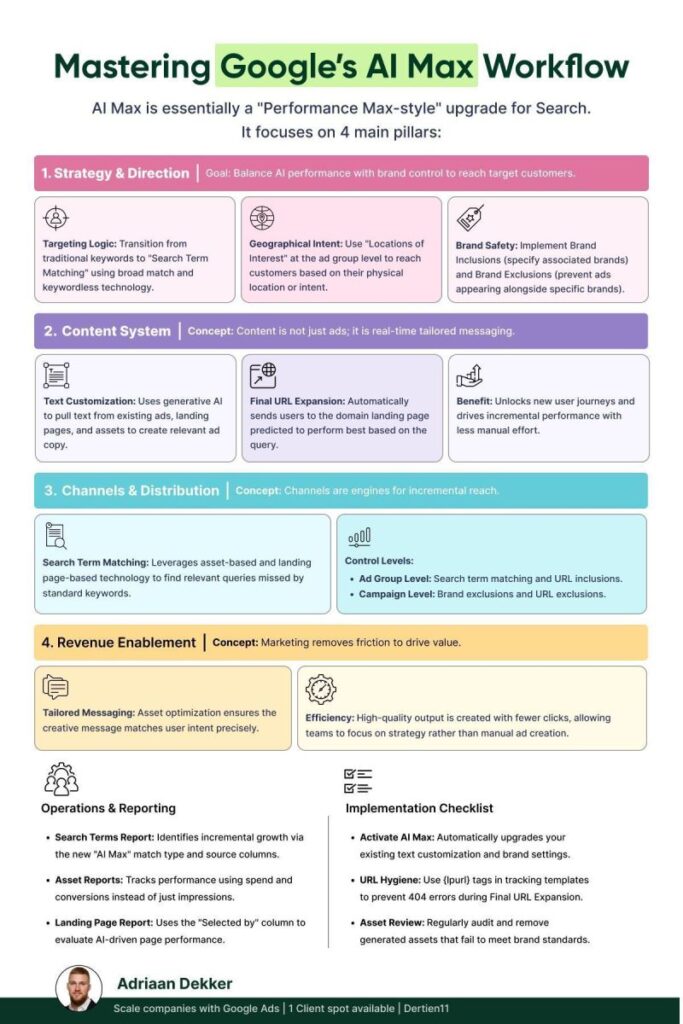
Mastering Google’s AI Max Workflow

You can’t run AI Max like a normal Search campaign. Here’s how Google’s AI Max workflow actually works ↓ AI Max is essentially a Performance Max-style upgrade for Search. But instead of optimising around keywords and ads, it optimises around intent, assets, and destinations. It’s built on four layers: Strategy & direction↳ Balance automation with

Mastering Google’s AI Max Workflow Read More »
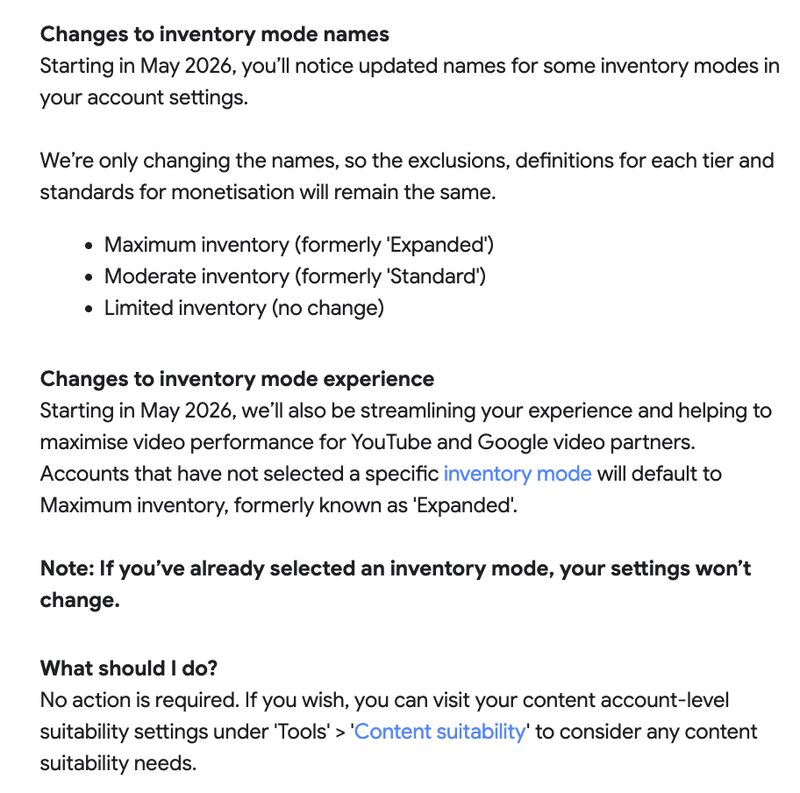
Changes to inventory mode names

Streamlining content suitability default settings and inventory names starting in May 2026 Starting in May 2026, you’ll notice updated names for some inventory modes in your account settings. Google is changing the names, so the exclusions, definitions for each tier and standards for monetisation will remain the same. Maximum inventory (formerly ‘Expanded’)Moderate inventory (formerly ‘Standard’)Limited

Changes to inventory mode names Read More »
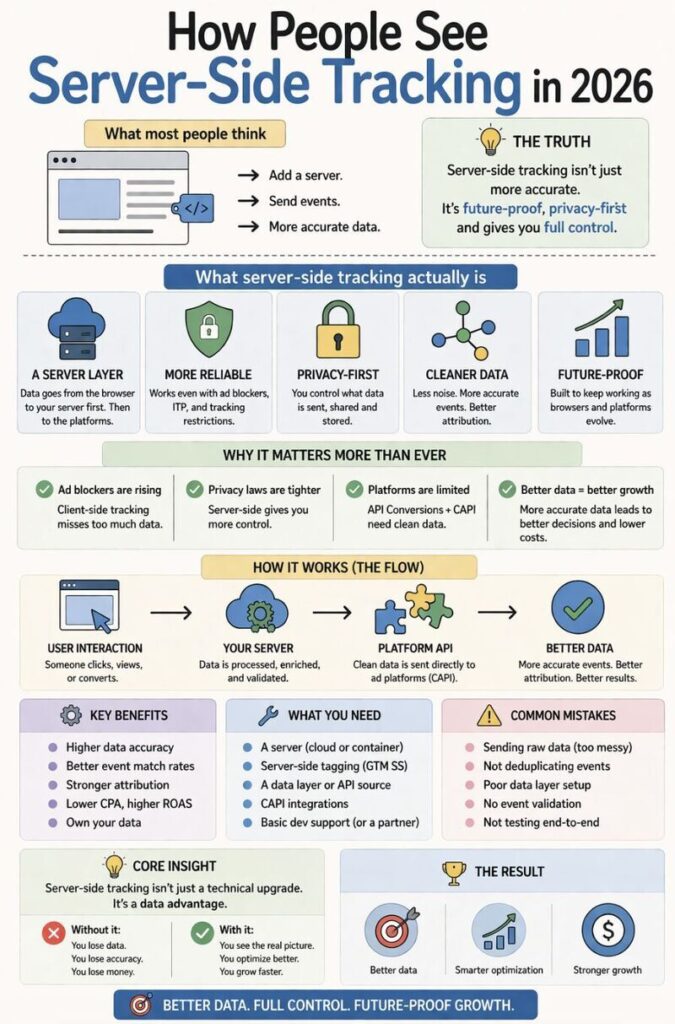
How people see Server-Side Tracking in 2026

Most people think server-side tracking is simple. Set up a server → send events → get better data. Reality in 2026? Server-side tracking is a system. The biggest mistake I still see: People treat it as a “technical upgrade”… Instead of a business advantage. Because server-side isn’t just about accuracy. It’s about control. Winning with

How people see Server-Side Tracking in 2026 Read More »
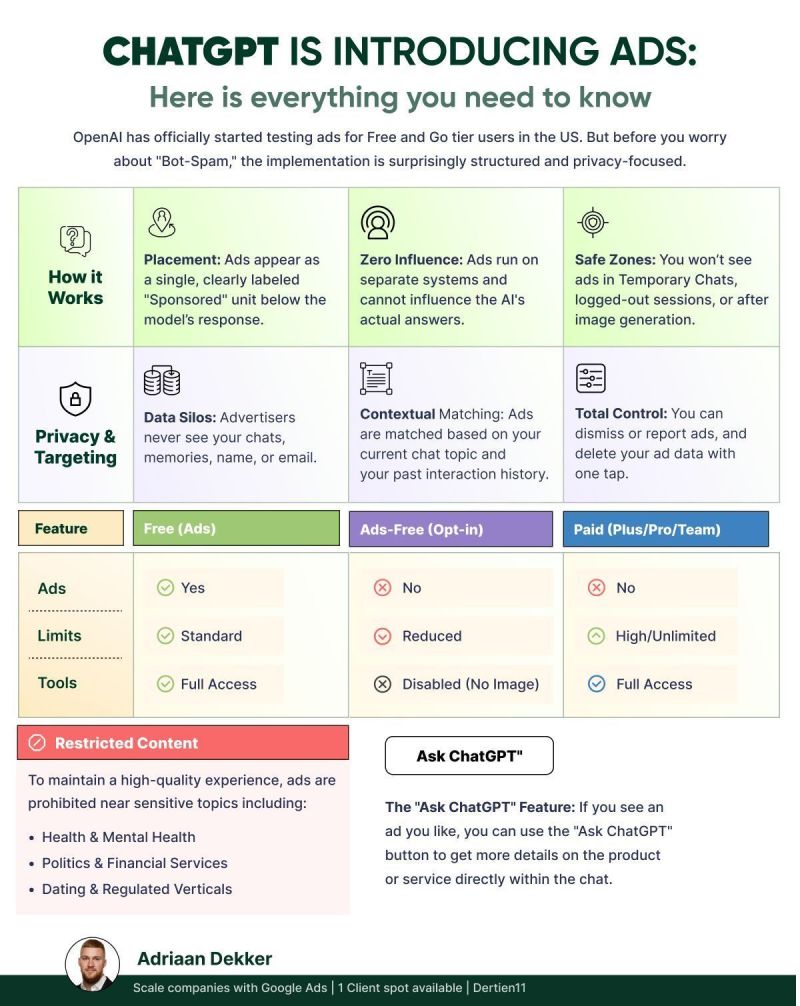
You can’t treat ChatGPT ads like a normal ad placement

Here’s how OpenAI’s ChatGPT ads setup actually works ↓ ChatGPT ads are essentially a contextual, in-chat placement model. But instead of optimising around audiences, cookies, or user profiles, it optimises around conversation context and intent. It’s built on four layers: Delivery & placement ↳ Ads appear as a single, clearly labelled “Sponsored” unit↳ Always placed

You can’t treat ChatGPT ads like a normal ad placement Read More »