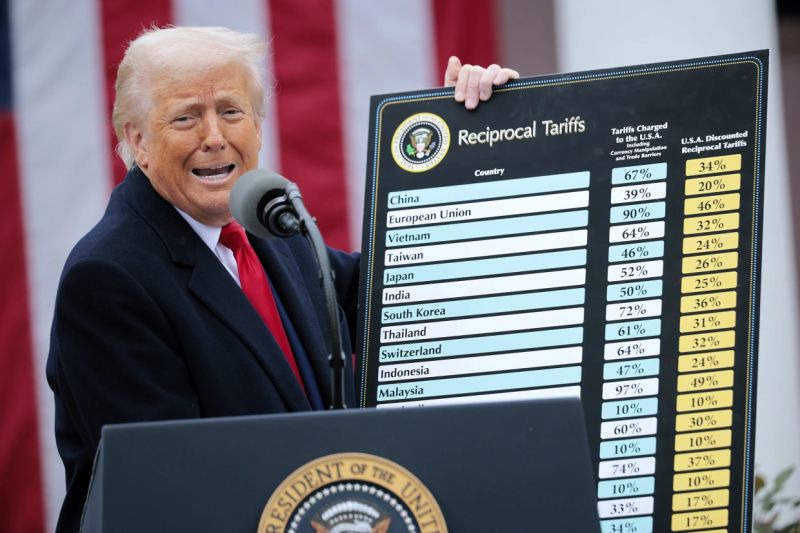
As of August 29, the long-standing de minimis exemption (allowing packages under $800 to enter duty-free) has been eliminated.
That means every imported package, no matter how small, is now subject to tariffs and customs checks.
For consumers, this is a shock.
Everyday items once easily shipped from abroad like clothing, craft supplies, electronics, and collectibles are suddenly more expensive, slower to arrive, or unavailable entirely. Some international sellers have already stopped shipping to the U.S.
For businesses, especially small ones, the disruption is even larger. Niche retailers and hobby suppliers are suspending orders, shipping costs are soaring, and marketplaces like Etsy and eBay are seeing turbulence.
Postal services in Europe and Asia have paused U.S. shipments while they figure out compliance.
This isn’t just a tariff tweak, it’s a fundamental shift in global e-commerce. Analysts estimate up to $10 billion in new government revenue annually, but the real cost will be borne by consumers, small businesses, and cross-border trade.
The big question: how will this reshape consumer behavior and the role of international platforms like Temu, Shein, or Etsy in the U.S. market?
What do you think will this push Americans to buy more domestically, or will it drive innovation in cross-border commerce?